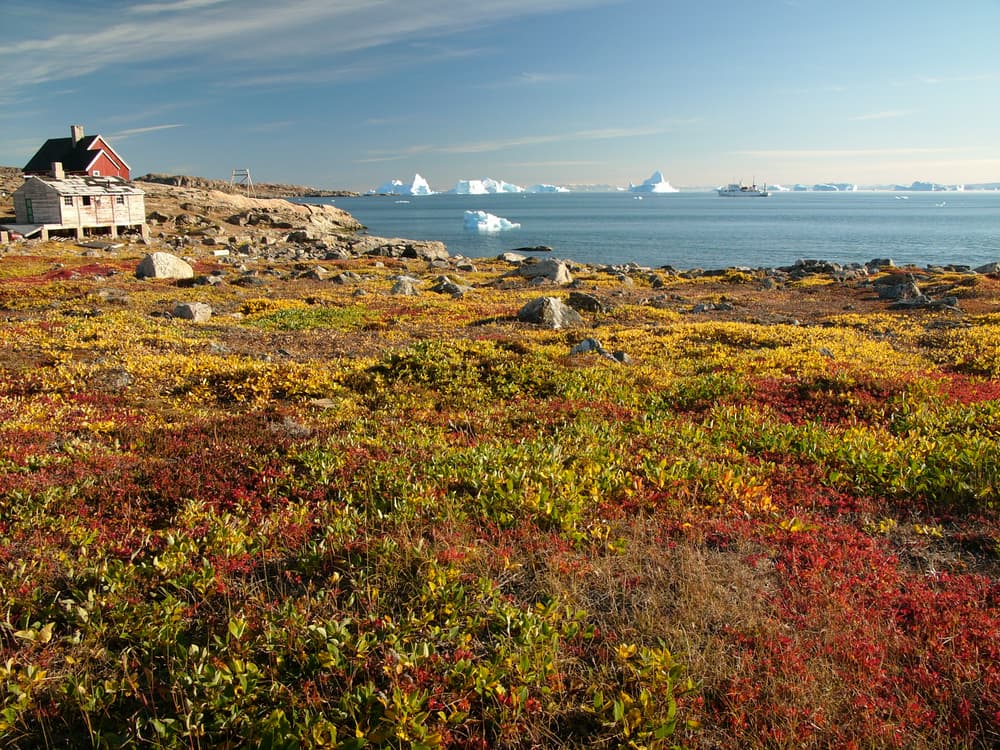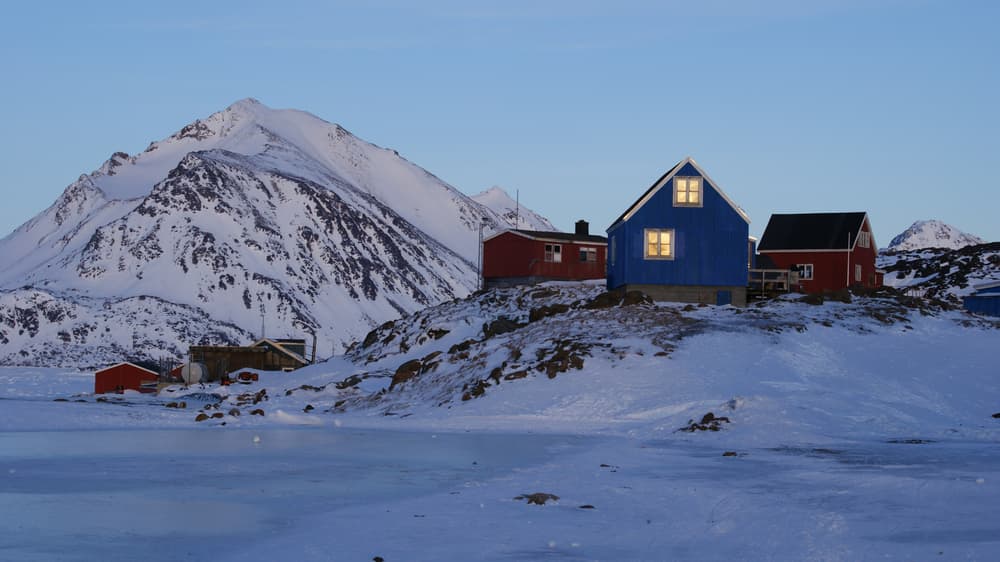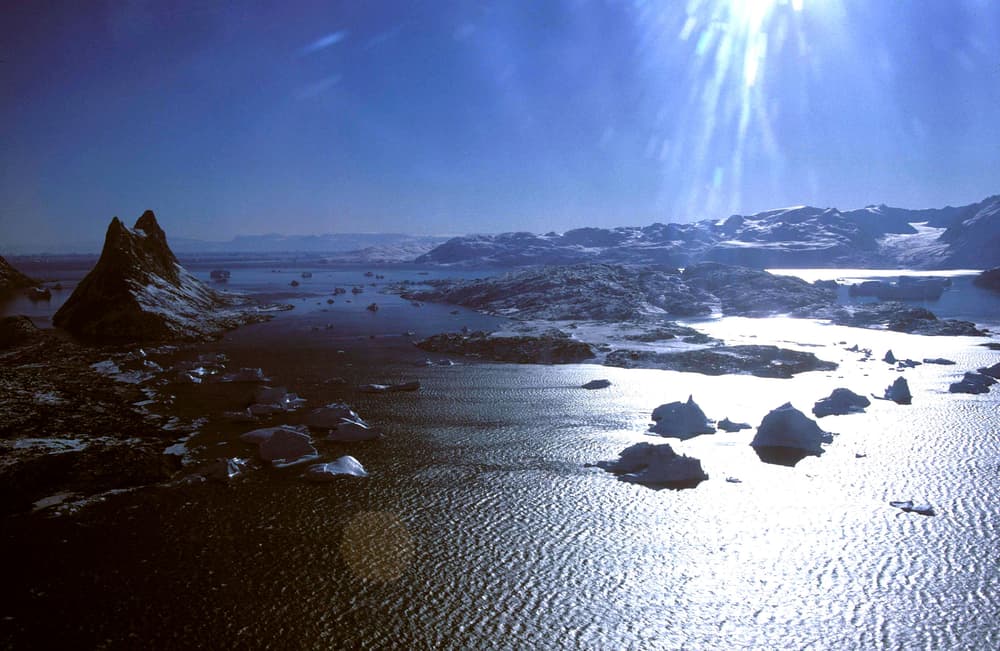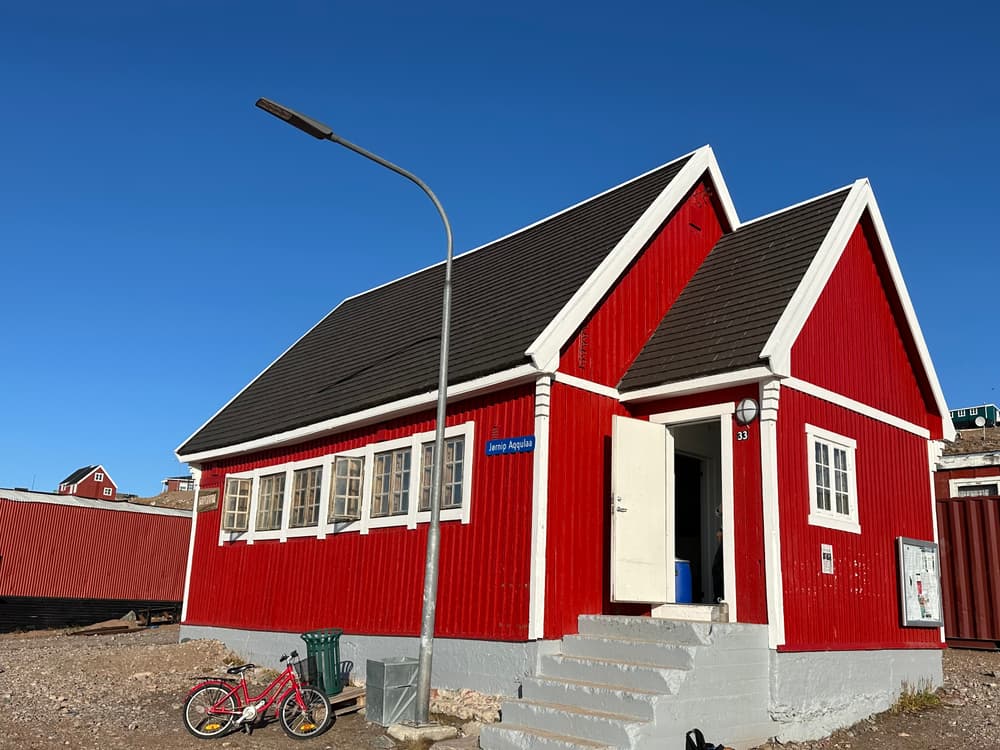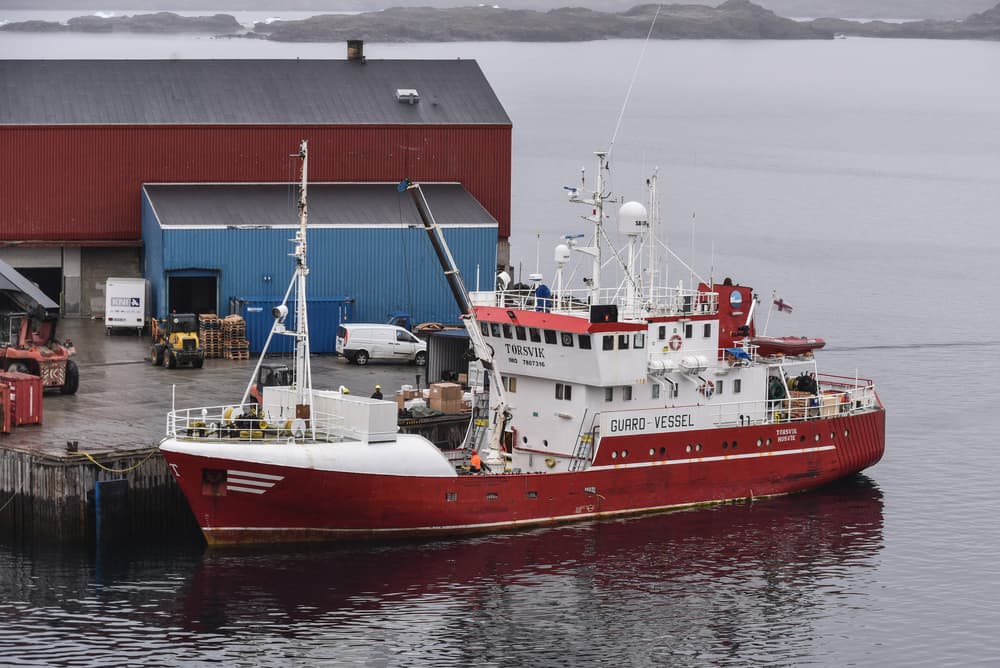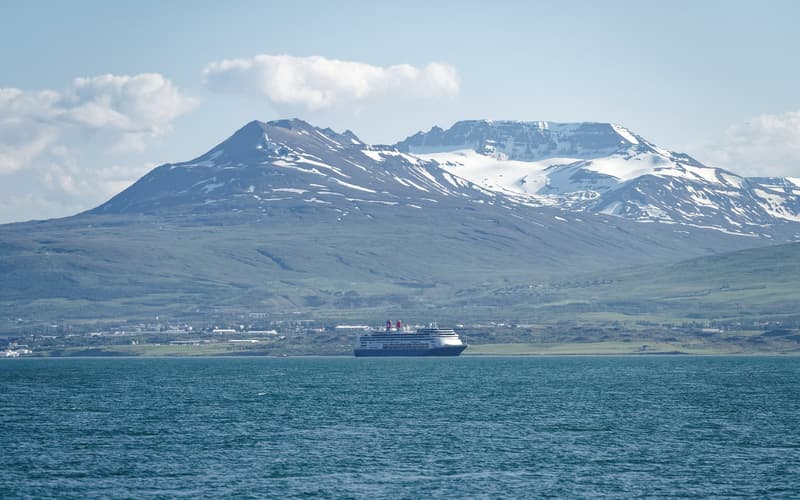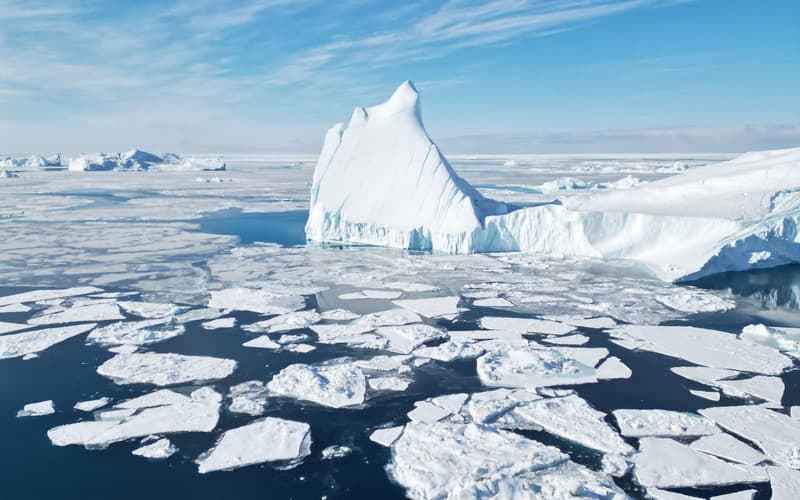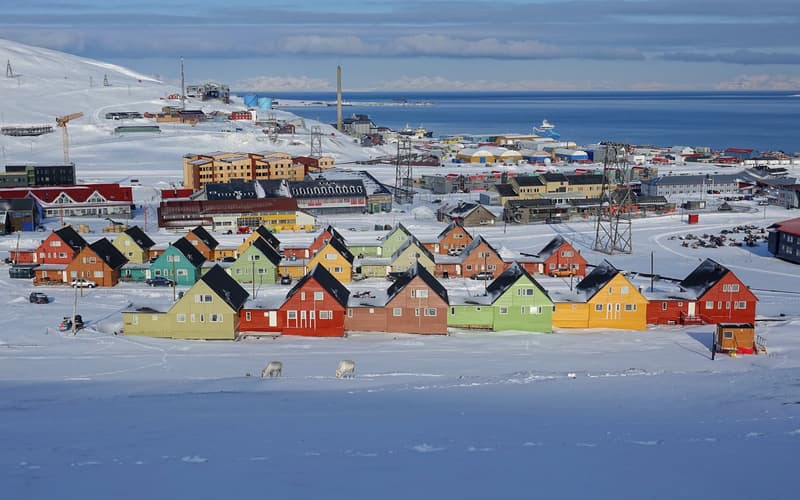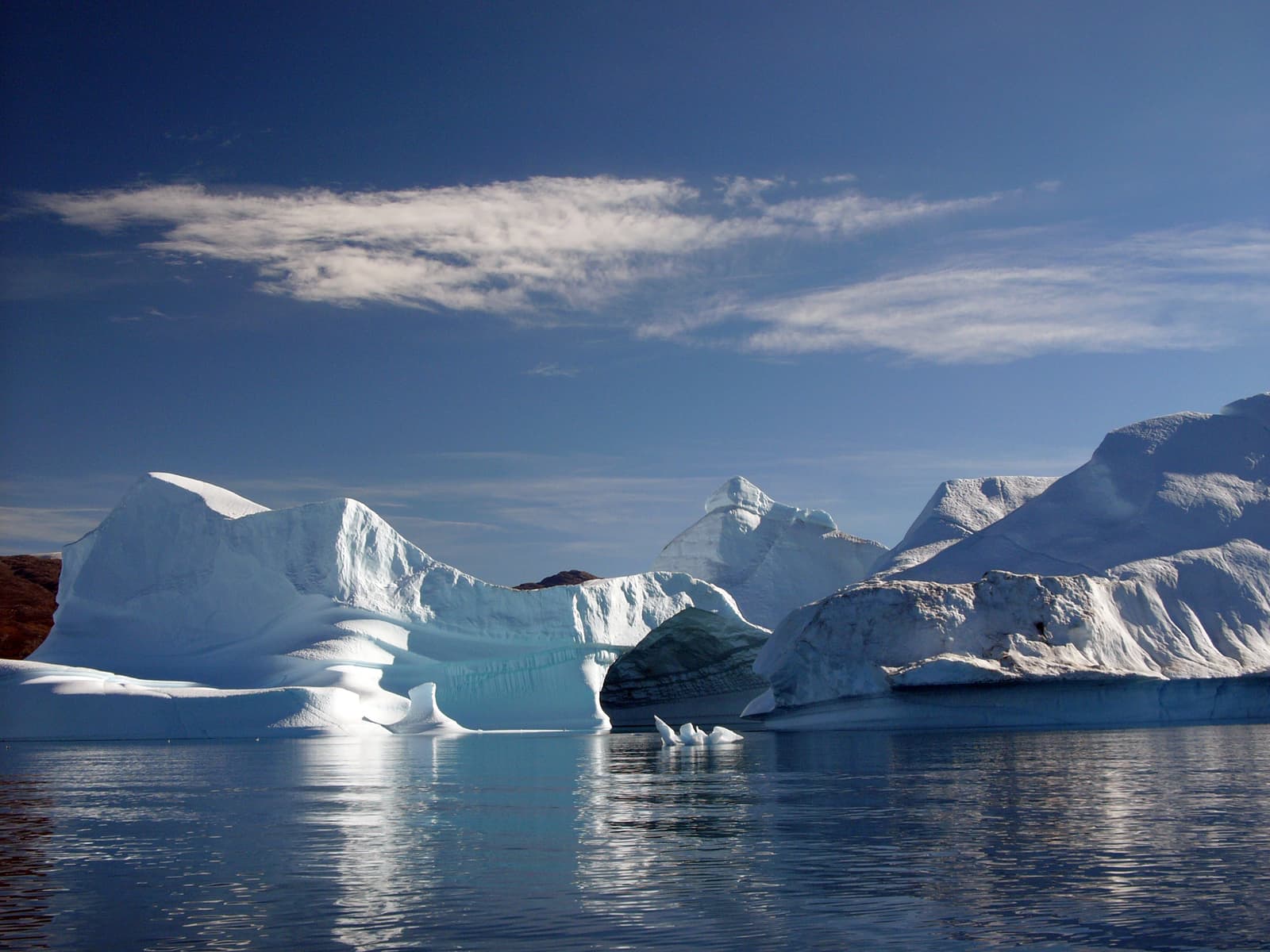
Greenland’s east coast stretches for more than 2,500 km along the Greenland Sea and is home to only about 3,500 people. A cold current carries pack ice down from the central Arctic Ocean and presses it against the shore for most of the year, which kept the coast almost unvisited until the late nineteenth century and still limits shipping to a few weeks of late summer. There are two inhabited areas: around Tasiilaq and Kulusuk, just south of the Arctic Circle, and Ittoqqortoormiit, 800 km further north at the mouth of Scoresby Sund.
This is not a destination for casual sightseeing. Scoresby Sund, whose arms reach some 350 km inland between walls of rock up to 2,000 metres high, is visited almost entirely by expedition ship in August and September. Tasiilaq and Kulusuk can be reached by scheduled flights from Iceland and offer hiking, kayaking, boat trips among icebergs and, in winter, dog sledding — with simple accommodation and very few organised tours. If you want Greenland with more comfort, start in the west.
Highlights
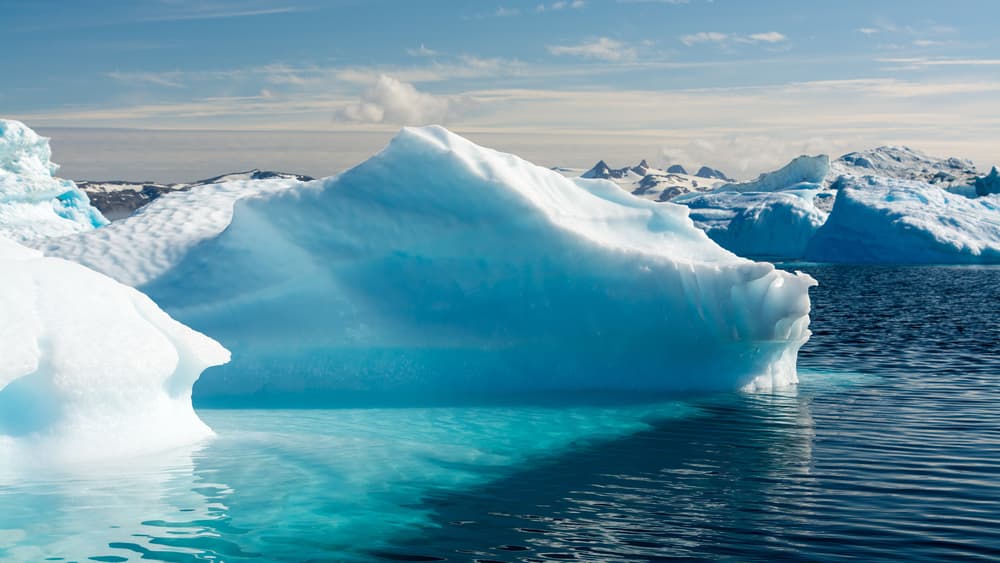
- Cruising between cathedral-sized icebergs in the inner arms of Scoresby Sund
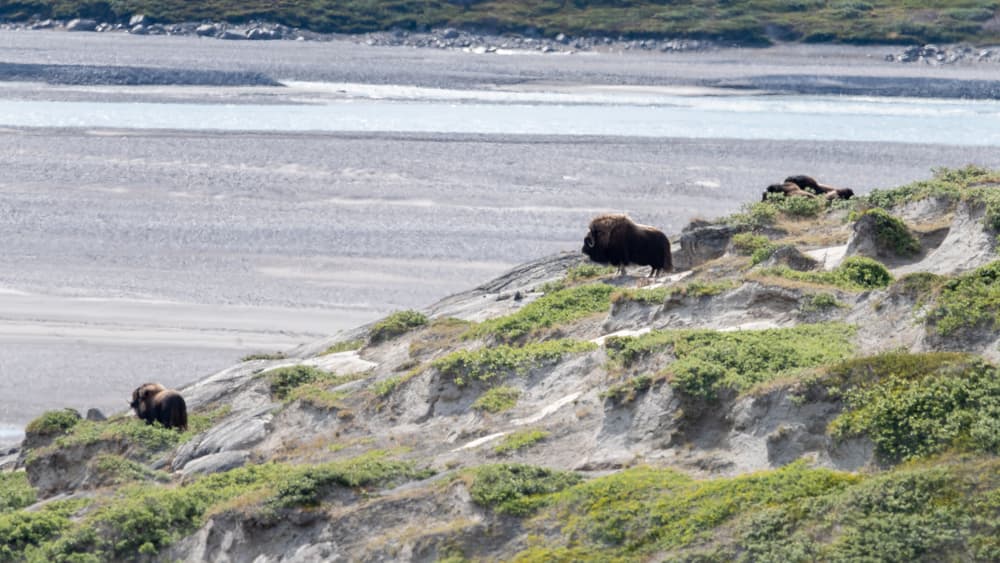
- Musk oxen grazing on the tundra of Jameson Land
- Ittoqqortoormiit, one of the most isolated communities on Earth
- Northern lights reflected in still fjords in September
- The jagged peaks and ice-filled Sermilik fjord around Tasiilaq
- Dog sledding with local hunters in late winter
East Greenland: planning your time
Decide first between ship and shore. For Scoresby Sund and the national park, book an expedition cruise of eight to twelve days from Iceland or Svalbard, usually a year ahead. For a land-based trip, fly from Iceland to Kulusuk, transfer to Tasiilaq and stay at least four nights, arranging boat trips, hikes or sledding through your hotel or a local outfitter. Either way, add spare days in Iceland on both sides: ice and weather routinely rewrite schedules here.