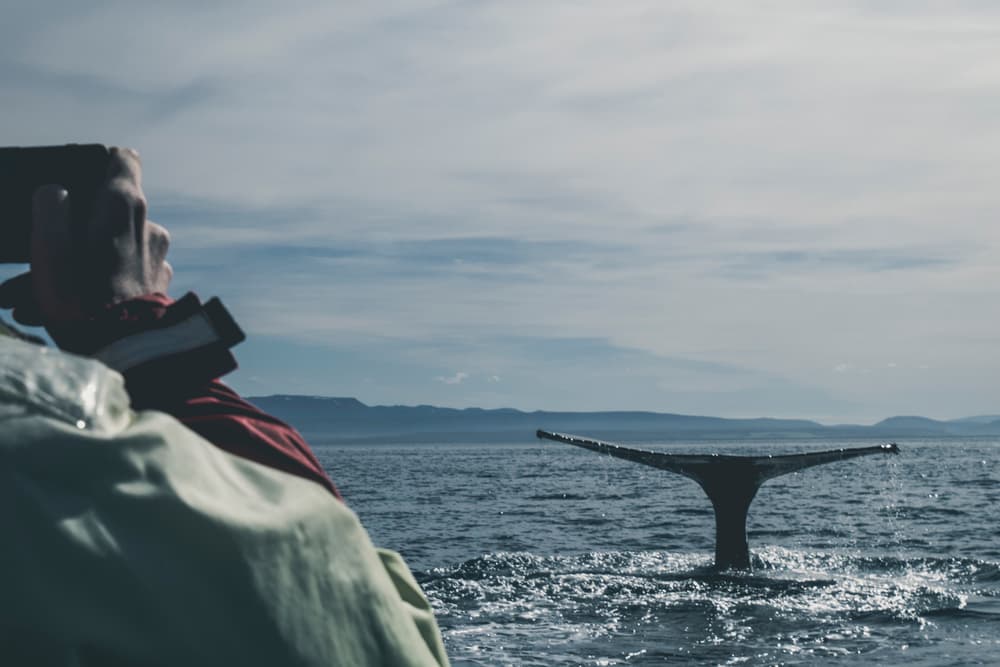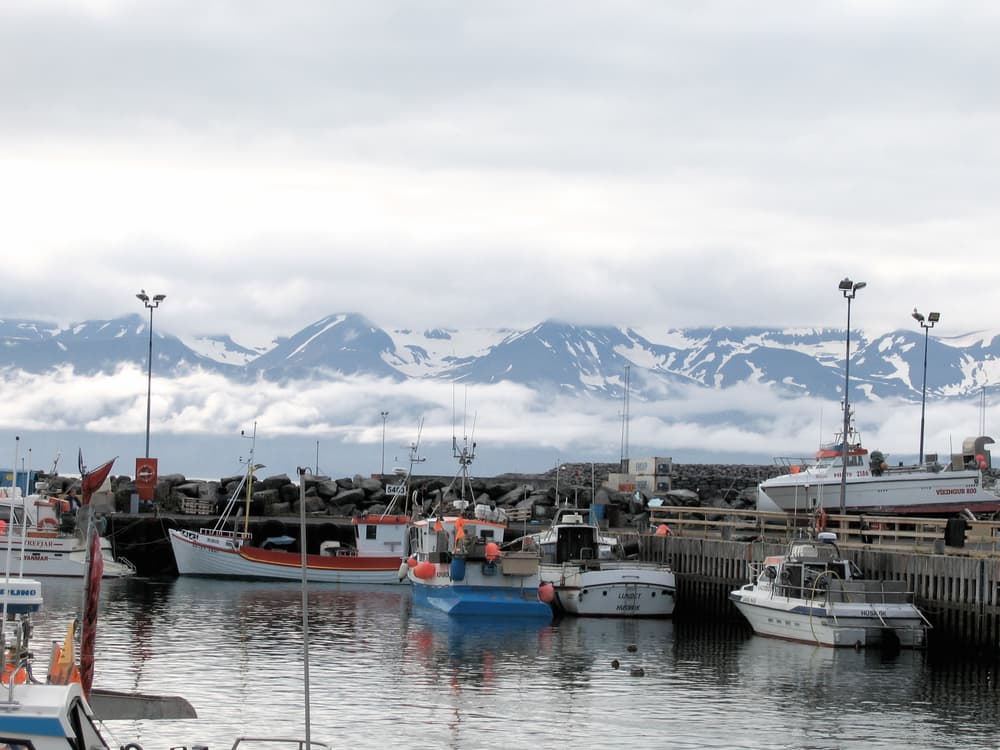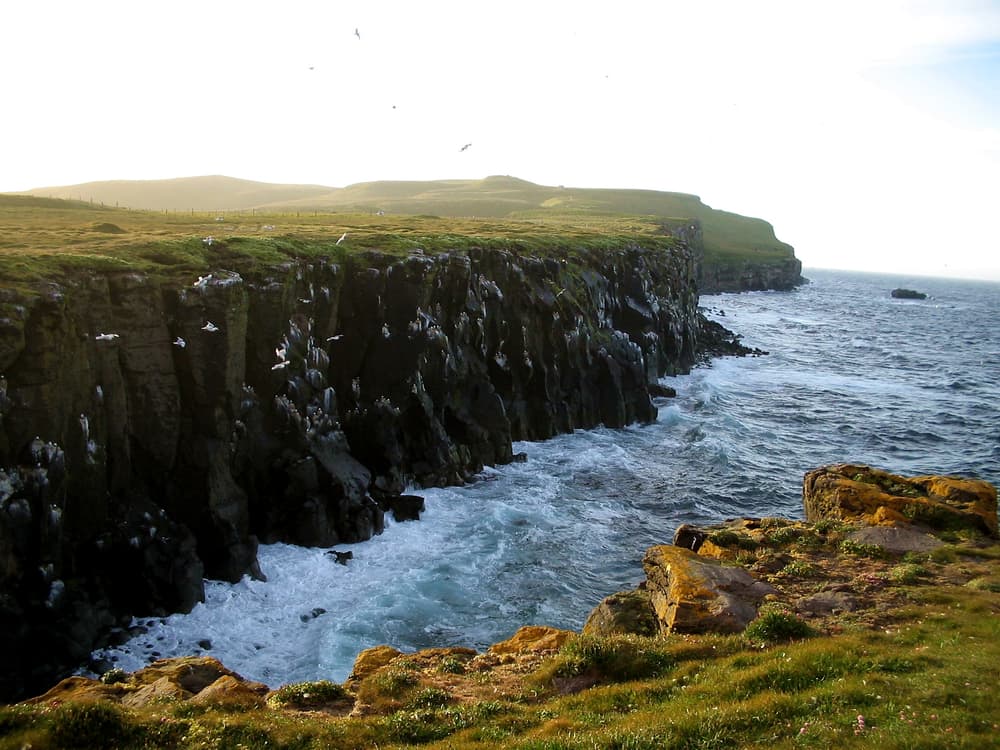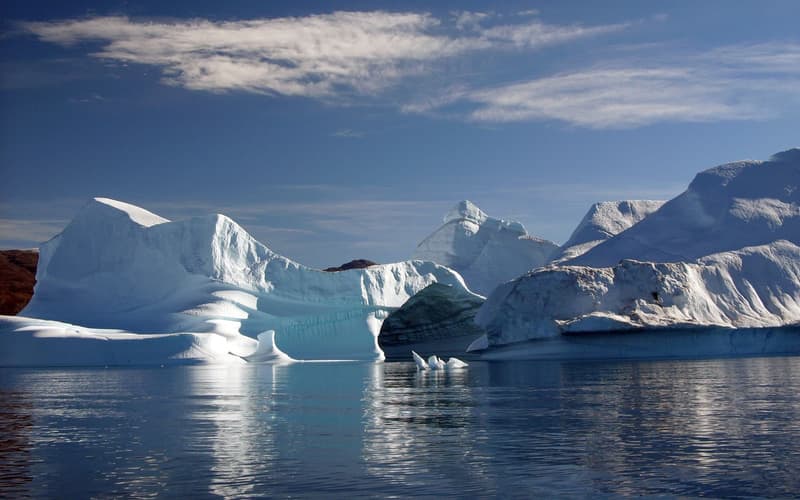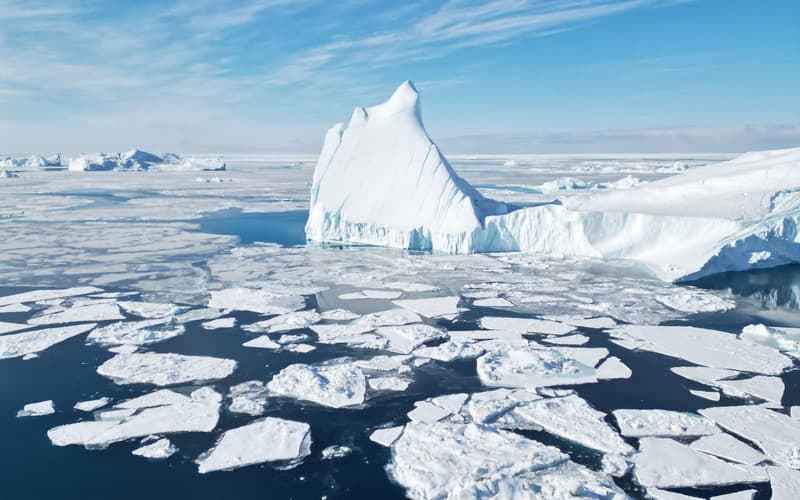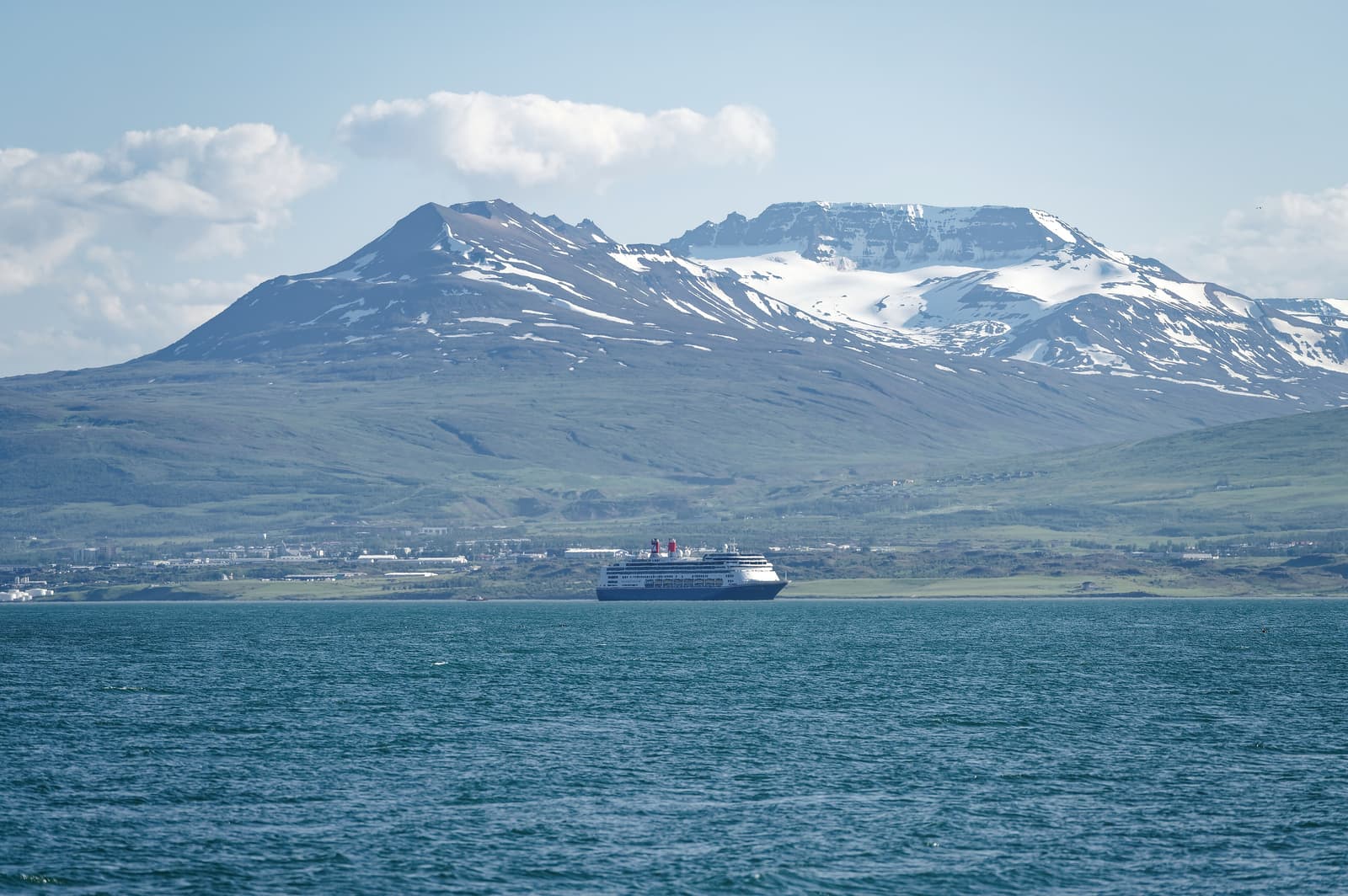
The north coast of Iceland faces the Greenland Sea, with nothing between its headlands and the pack ice but open water. Deep fjords cut into the land here — Eyjafjörður, the longest, runs 60 km inland to Akureyri, the regional capital of about 20,000 people — and the cold, rich sea outside draws humpback, minke and occasionally blue whales within a short boat ride of the harbours. Iceland’s only true piece of the Arctic lies just offshore: the island of Grímsey, crossed by the Arctic Circle.
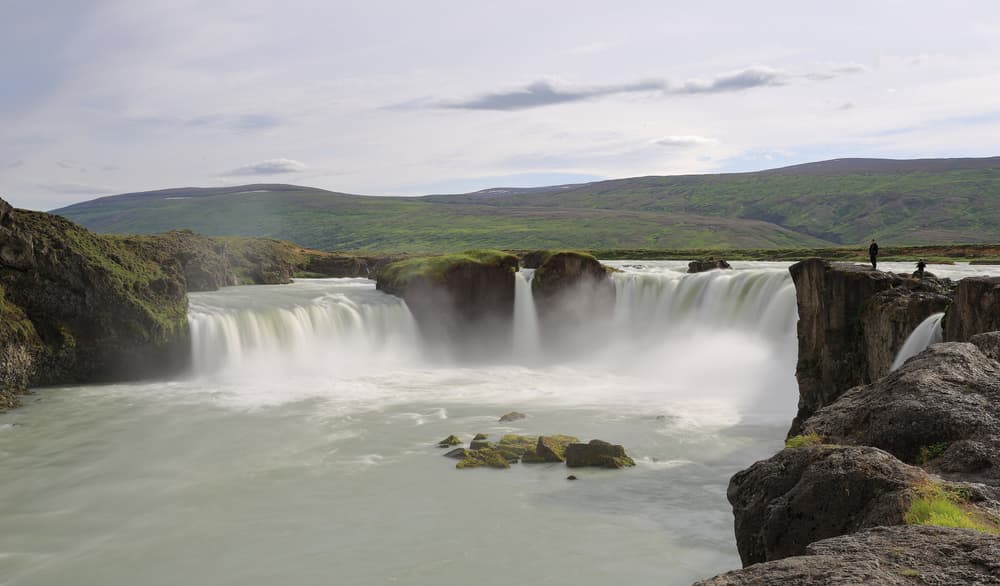
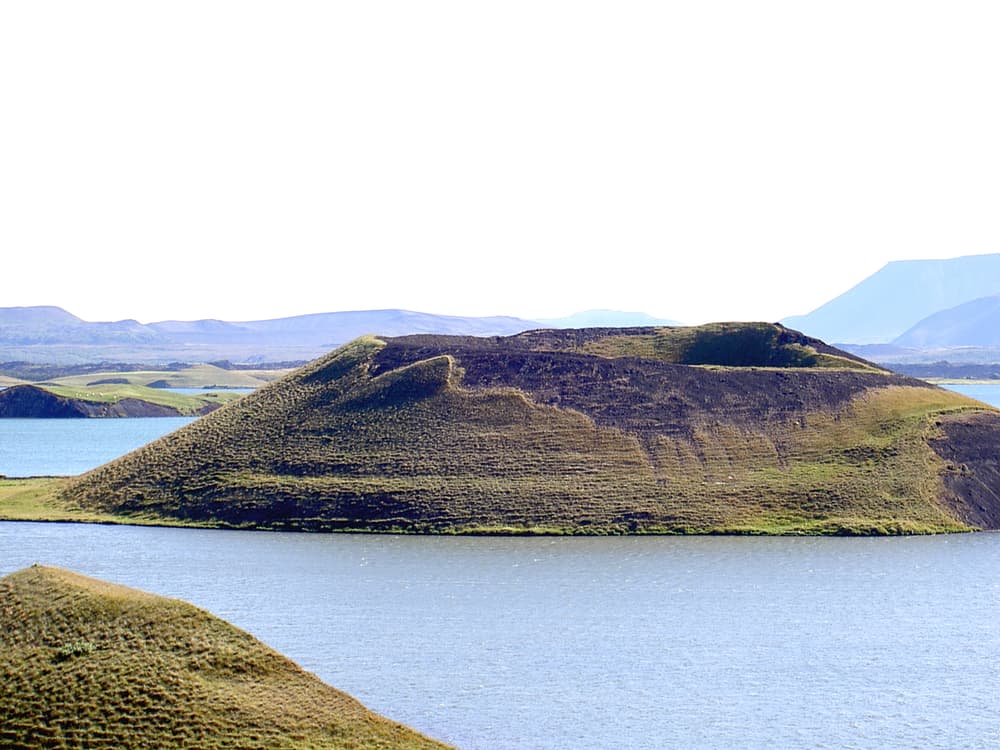
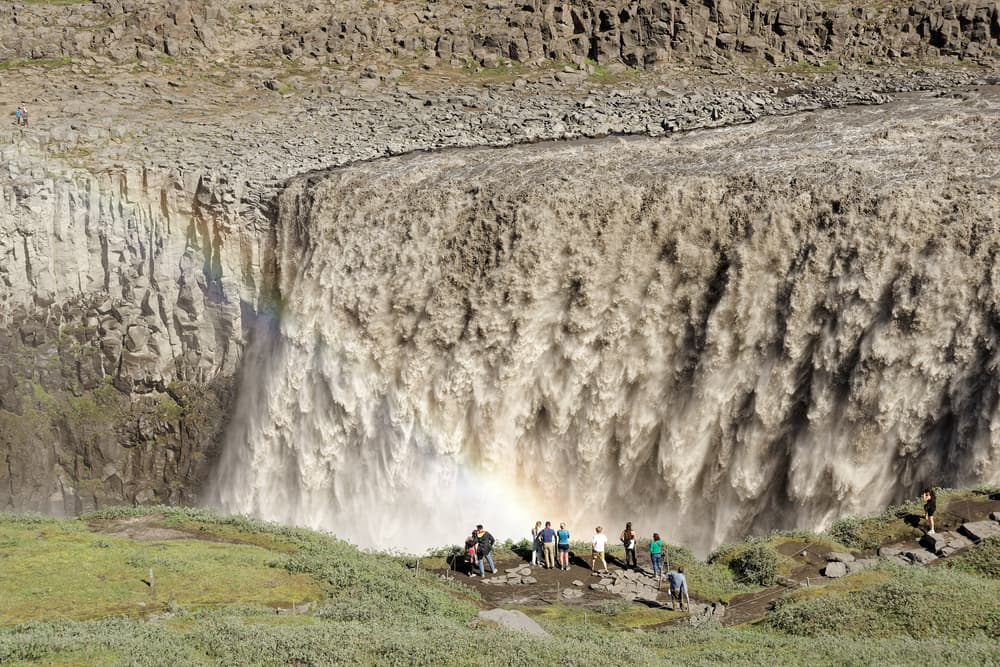
Inland, the Mid-Atlantic Ridge comes ashore in a landscape of craters, steaming vents, lava fields and some of Europe’s most powerful waterfalls. The classic circuit, known as the Diamond Circle, links Húsavík, the canyon of Ásbyrgi, Dettifoss, Lake Mývatn and Goðafoss in a day or two. Compared with Greenland or Svalbard, this is the gentlest and cheapest introduction to northern seas, with good roads, hot pools and plenty of tours.
Highlights
- Humpback whales breaching in Skjálfandi Bay off Húsavík
- Crossing the Arctic Circle on Grímsey among thousands of puffins
- The roar of Dettifoss and the horseshoe of Goðafoss
- Pseudo-craters, lava pillars and mud pots around Lake Mývatn
- Soaking in geothermal water above the sea at GeoSea or in the Forest Lagoon
- Northern lights over the fjord from September to April
North Iceland: planning your time
Three nights in Akureyri cover a whale trip, the Mývatn area and Goðafoss on day tours. With a car, split your time: one or two nights in Akureyri, one in Húsavík and one at Mývatn lets you drive the Diamond Circle without rushing. Grímsey needs a full day by ferry or flight and settled weather. In winter, base yourself in Akureyri and let tour operators handle the roads.