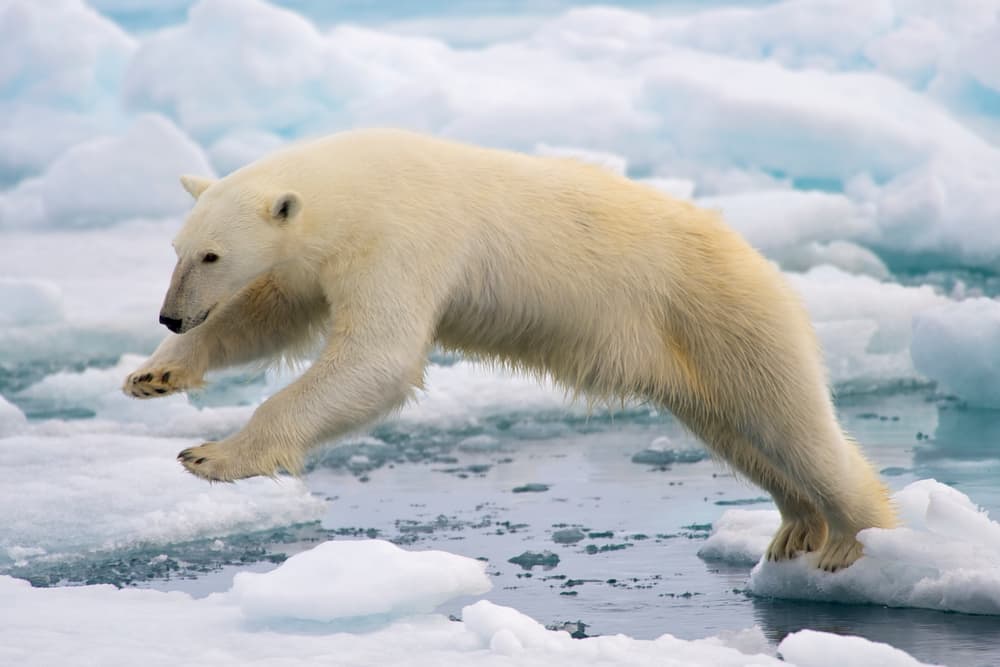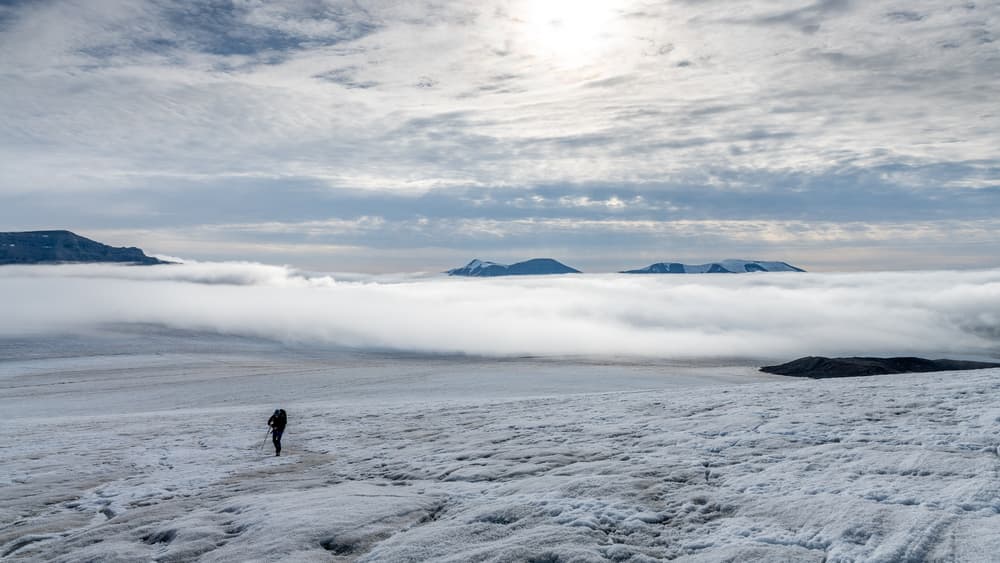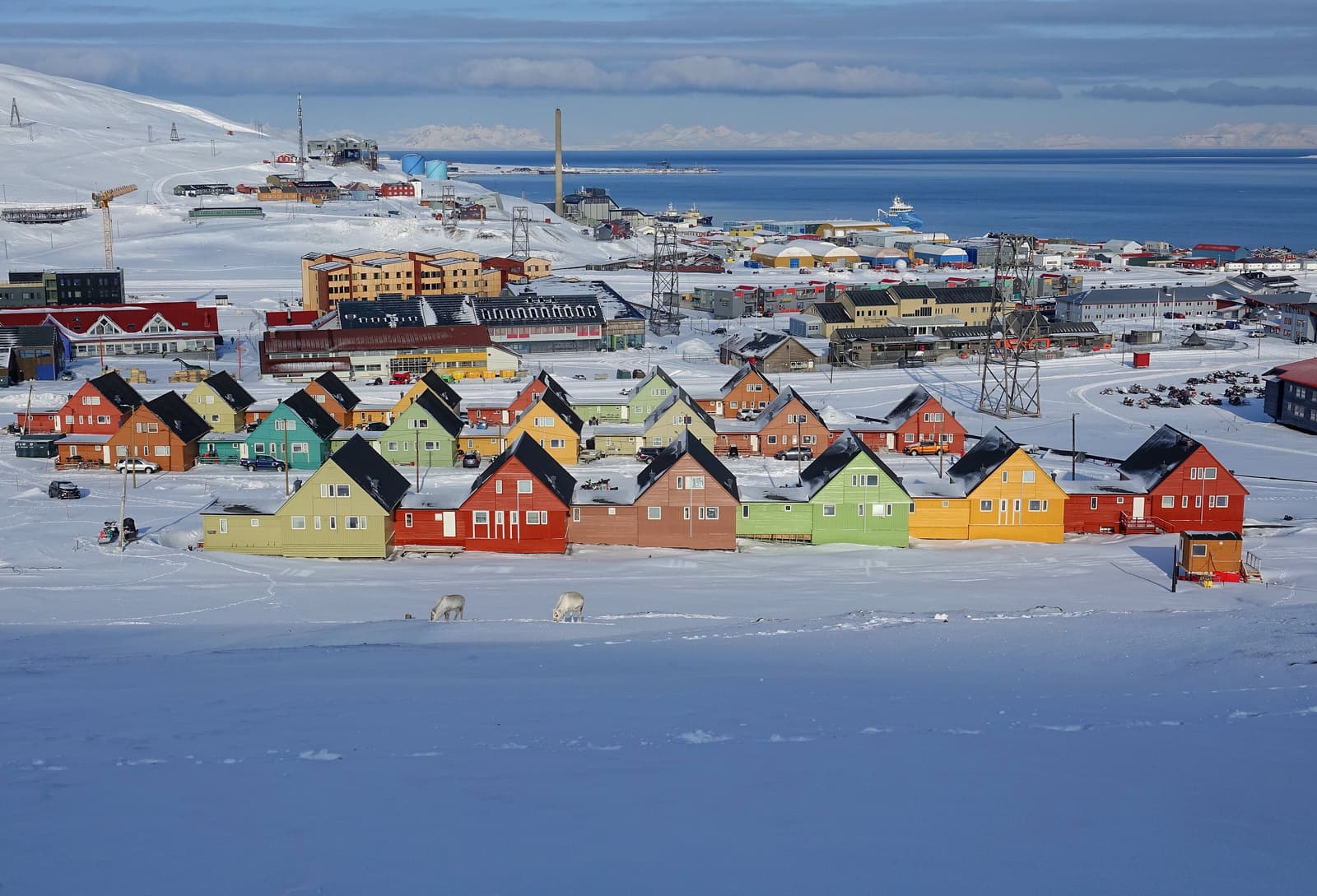
Svalbard is a group of islands between 74° and 81° north, where the Greenland Sea, the Barents Sea and the central Arctic Ocean meet. About 60 per cent of the land is glacier, there are no trees, and polar bears range across the whole archipelago. Almost all visitors stay in Longyearbyen, a former coal-mining town of roughly 2,500 people on the shore of Isfjorden at 78° north — the northernmost place on Earth you can reach on an ordinary scheduled flight.
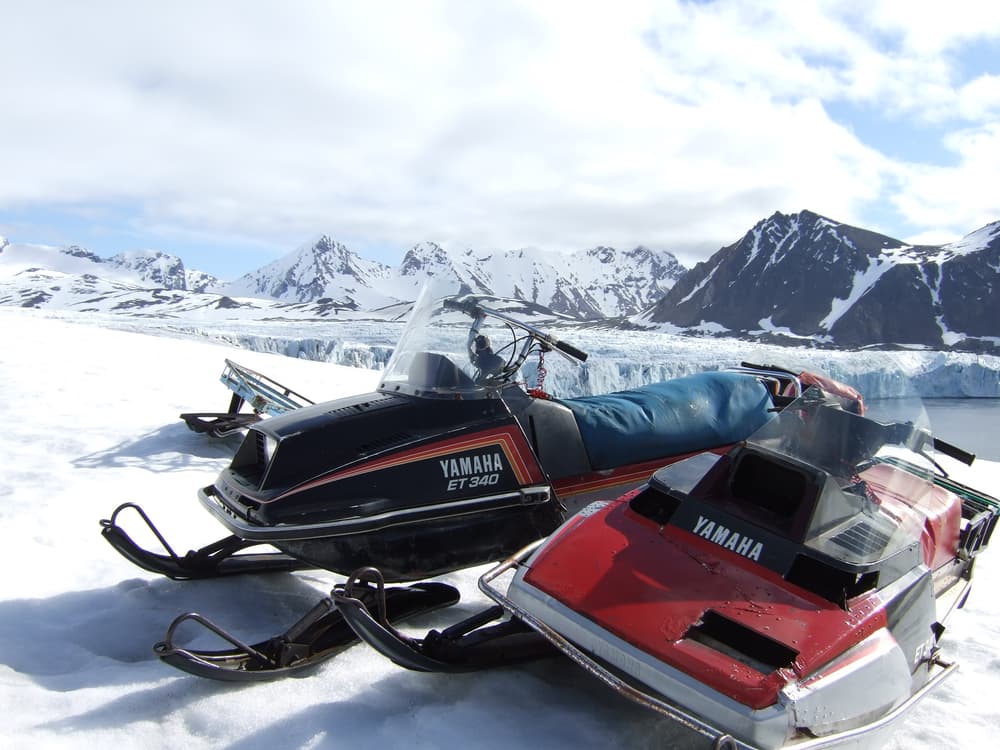
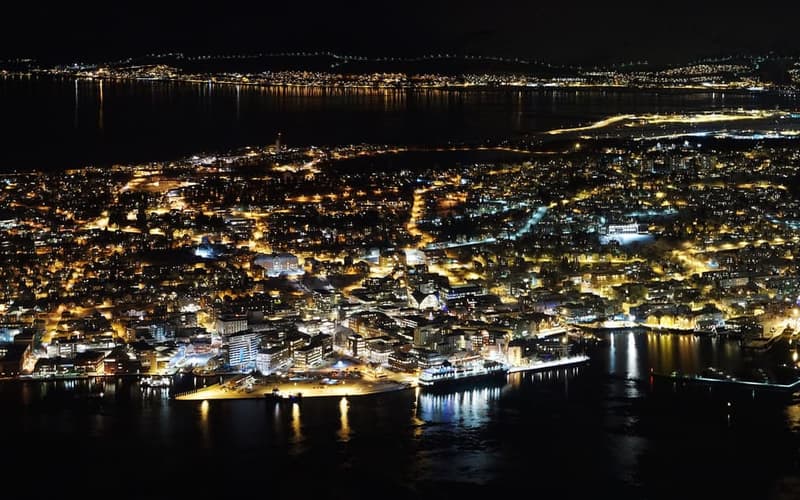
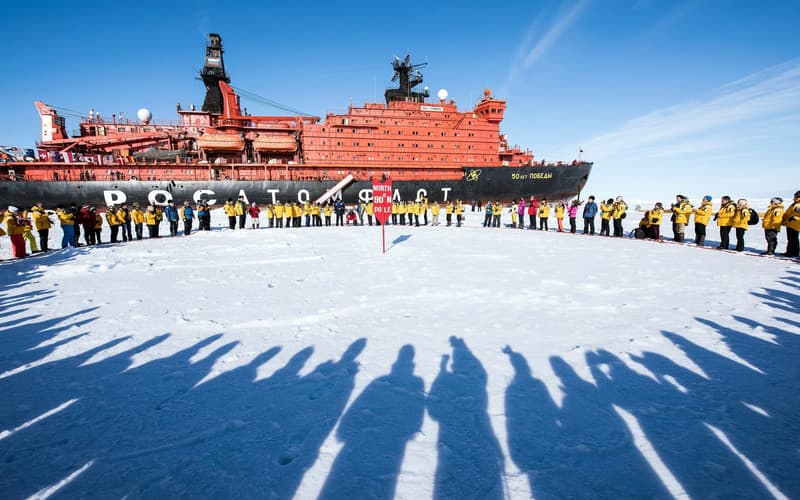
The roads end a few kilometres outside town, so everything beyond is reached by boat in summer and by snowmobile, dog sled or on skis in winter and spring — always with an armed guide. That makes Svalbard the easiest place in the world to experience the high Arctic on short, bookable day trips, and the main embarkation port for expedition cruises around Spitsbergen and towards the North Pole. Most people fly in via Tromsø or Oslo.
Highlights
- A boat trip across Isfjorden to the front of a calving glacier
- Snowmobiling or dog sledding across frozen valleys in March and April
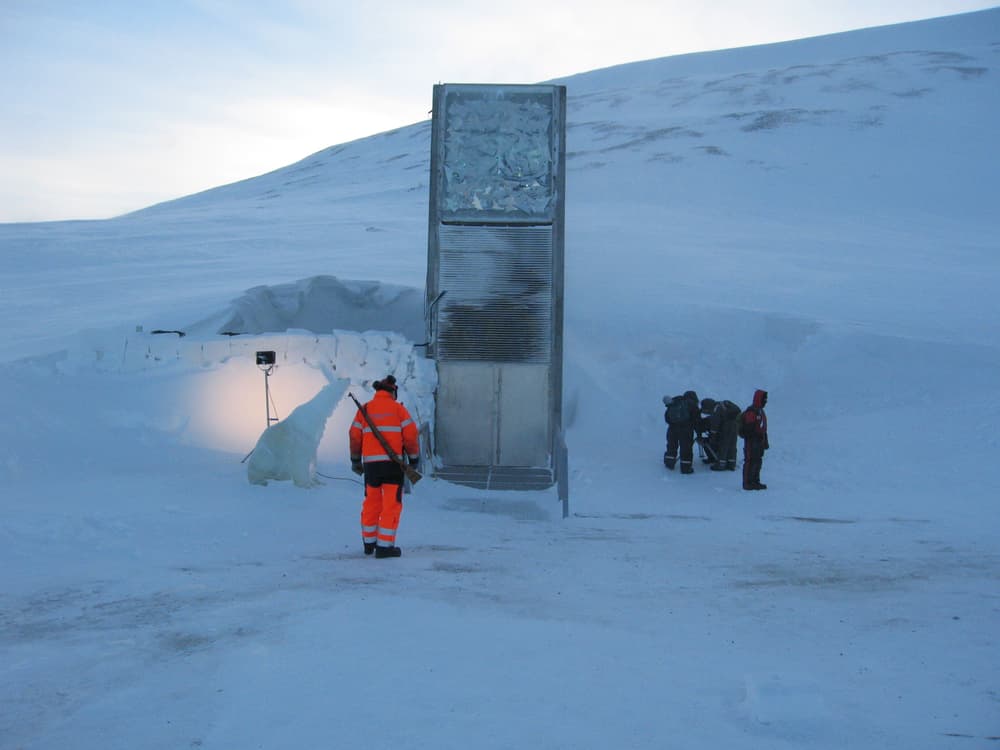
- Standing outside the Global Seed Vault above the airport
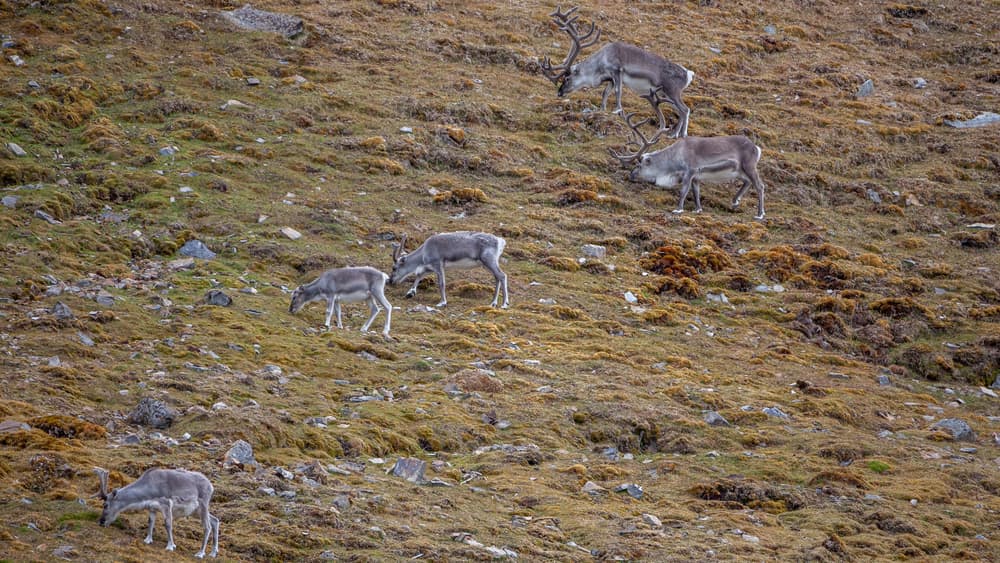
- Walrus, Arctic foxes, Svalbard reindeer and, with luck and distance, a polar bear
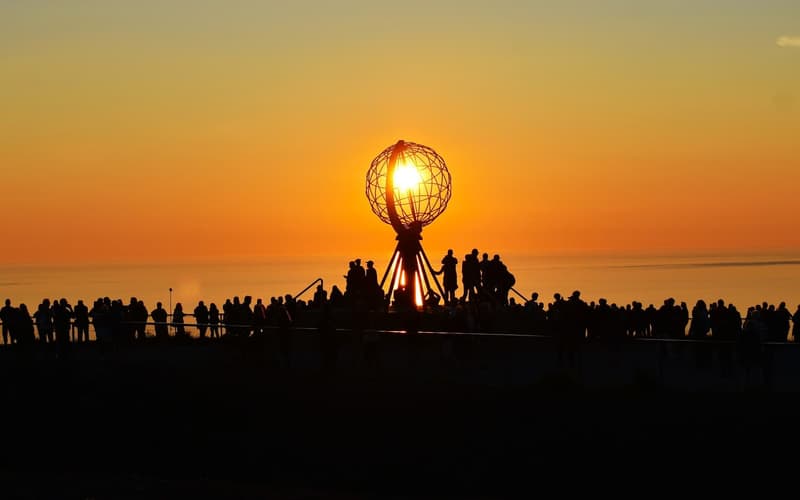
- The midnight sun from late April to late August — and true polar night in winter
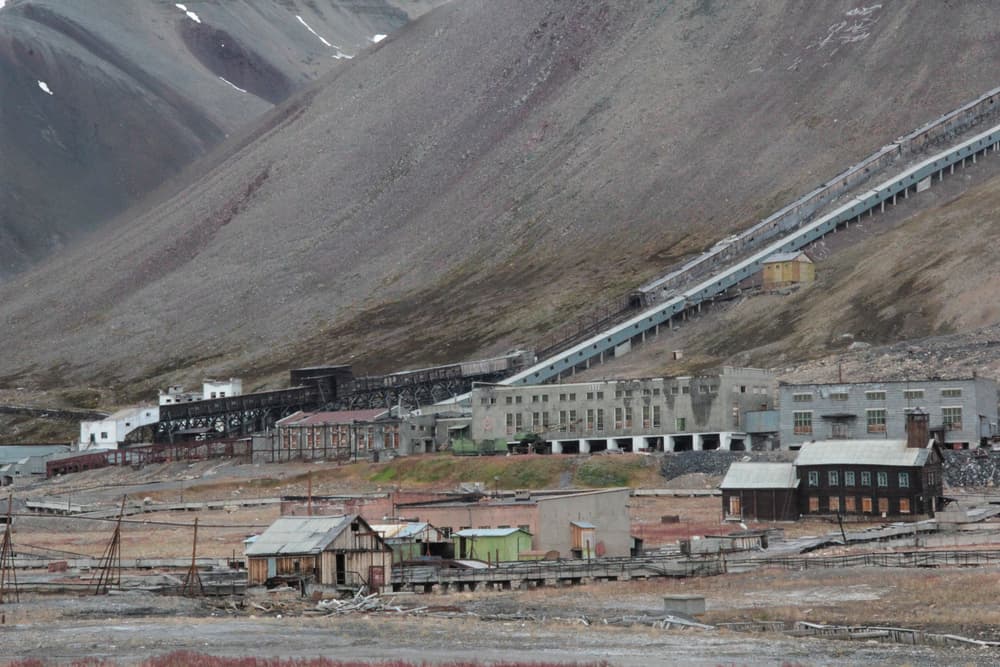
- The ghost town of Pyramiden, abandoned in 1998
Svalbard: planning your time
Give Longyearbyen at least four nights. Weather cancels boats and snowmobile trips often enough that a spare day is worth having, and the best excursions last a full day. Choose your season first: the snow season (roughly February to mid-May) and the boat season (roughly May to October) are completely different trips, and November to January is dark around the clock. An expedition cruise around Spitsbergen is the way to reach the remote north and east coasts where most polar bears and walrus are seen.