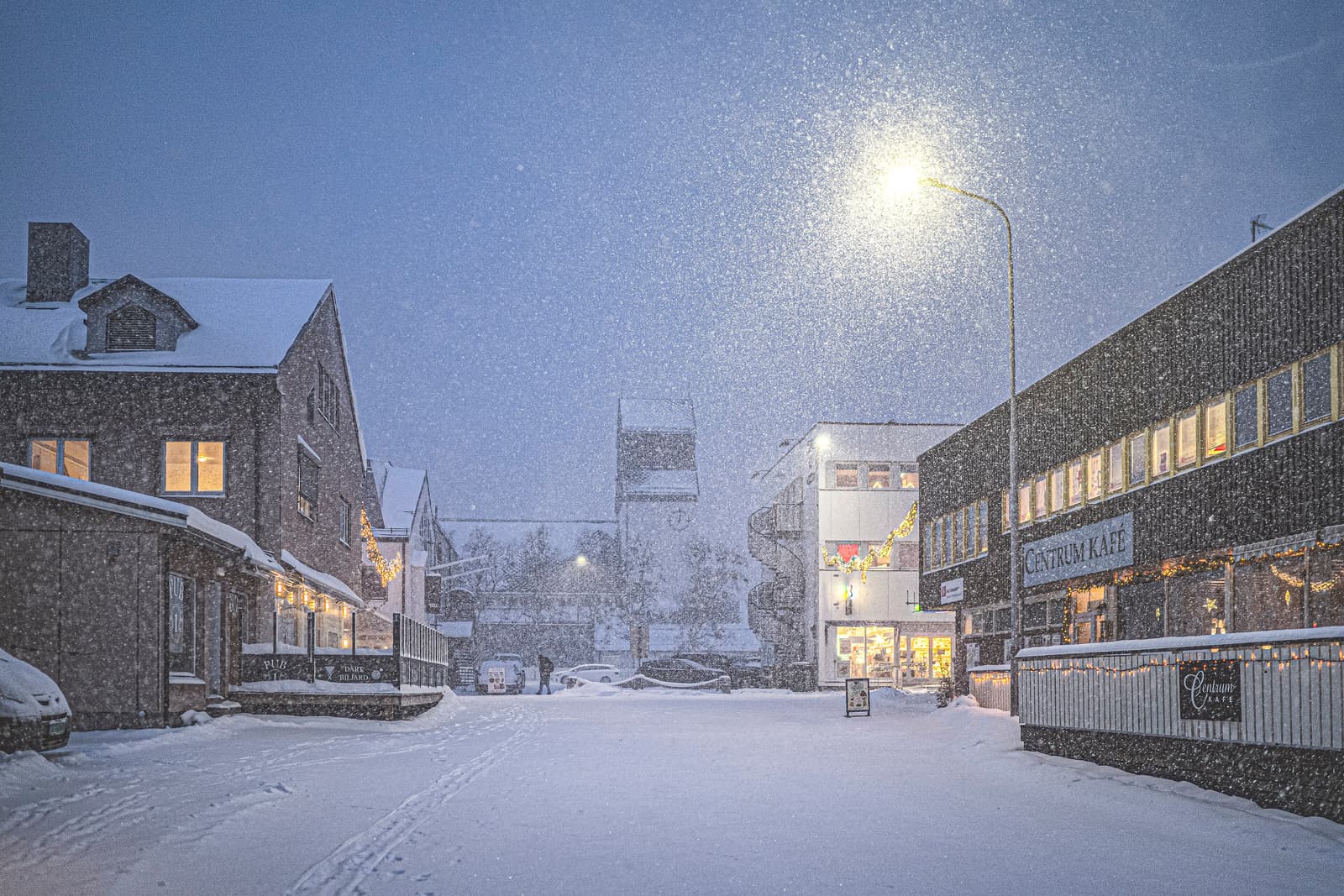
Kirkenes is a town of about 3,500 people at the far north-eastern corner of Norway, further east than Istanbul, where Bøkfjorden opens into Varangerfjorden and the Barents Sea. It is the turning point of the coastal ships that sail from Bergen, and for most passengers the last port before they head south again. The Russian border is about 15 km away, Finland less than an hour’s drive.
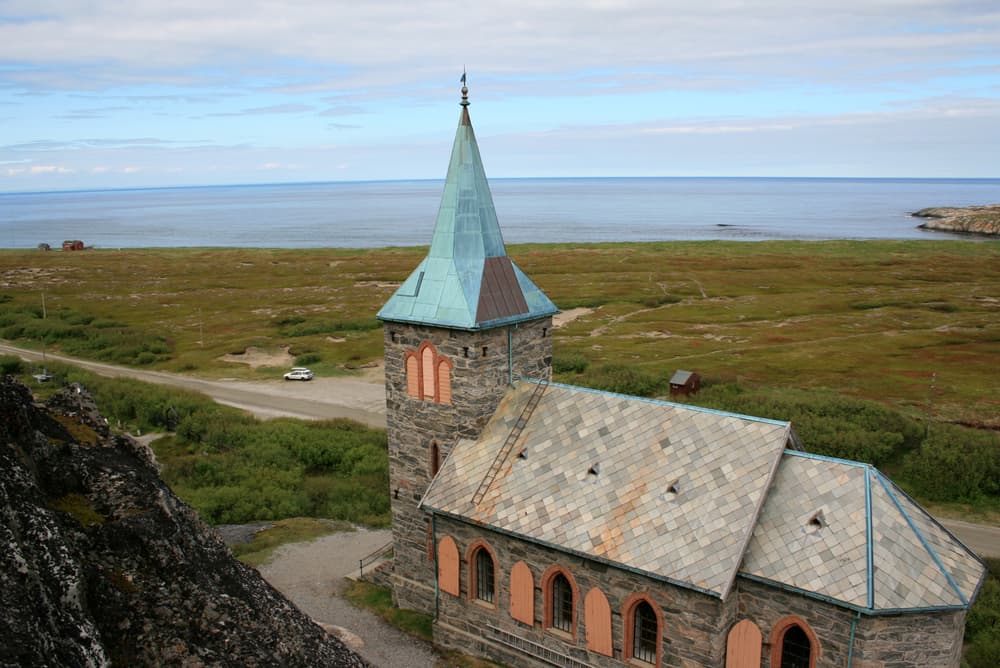
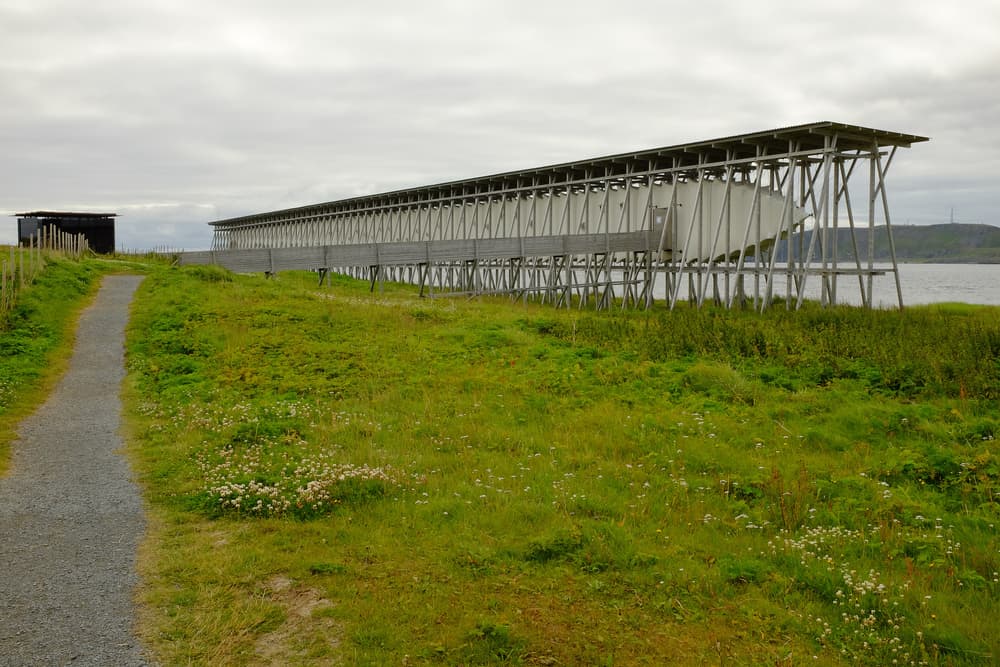
That position has shaped everything here. The town was bombed more than 300 times in the Second World War and freed by the Red Army in October 1944; for decades afterwards it faced the Soviet Union across a closed frontier. Today visitors come for winter activities with reliably deep snow, for red king crab hauled straight from the fjord, and for the wild coast of the Varanger peninsula to the north, with the fortress town of Vardø and some of Europe’s most accessible seabird cliffs.
Highlights
- Pulling up king crab through the ice — or from a RIB in summer — and eating it minutes later
- A night in, or a tour of, the Snowhotel
- Husky sledding through the forest above the fjord
- Looking across the river into Russia at Grense Jakobselv
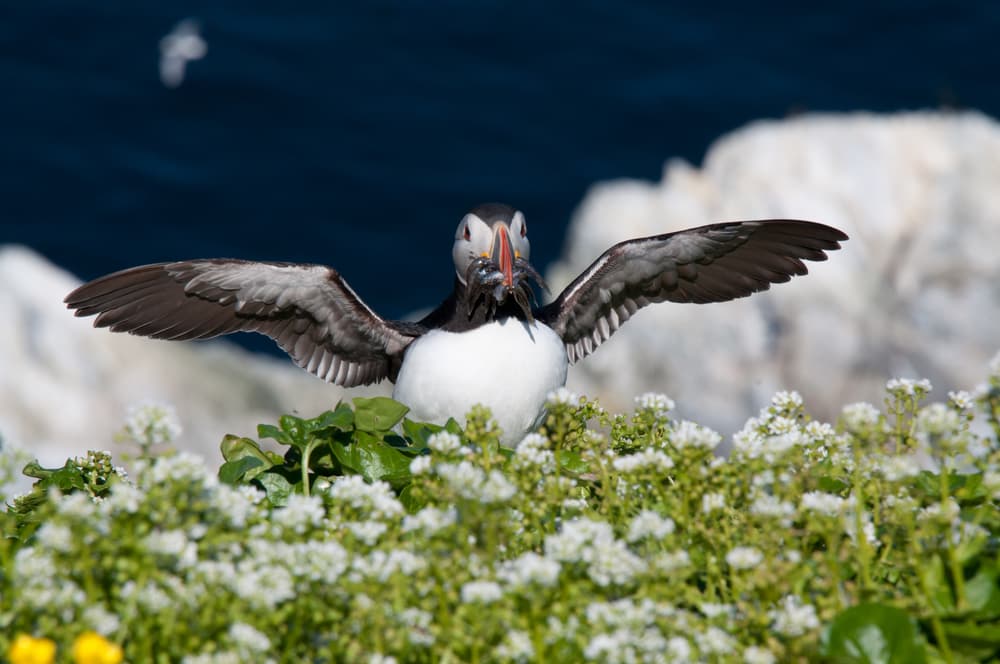
- Puffins and guillemots at arm’s length on Hornøya
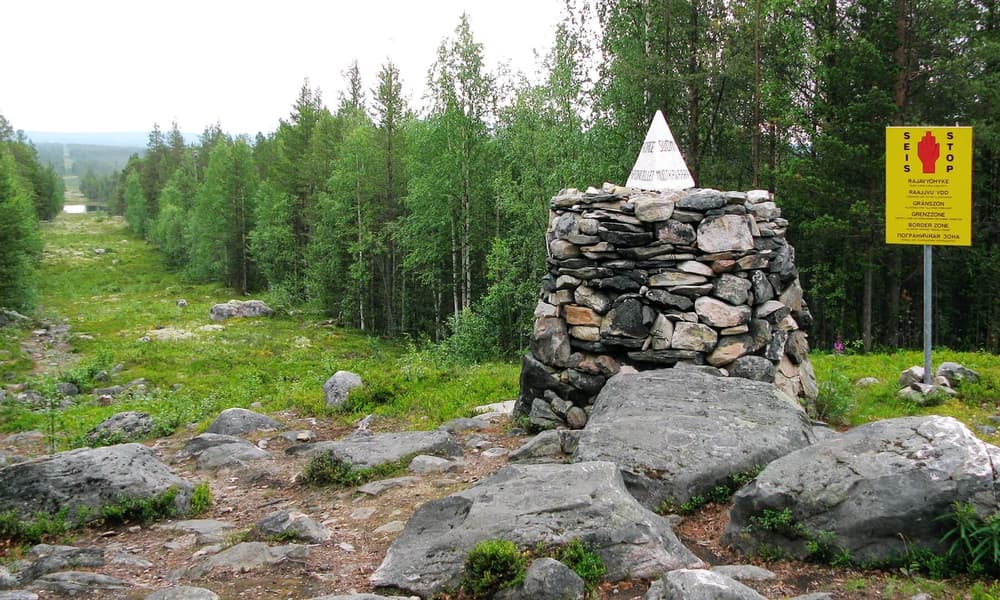
- The taiga, lakes and three-country cairn of the Pasvik valley
Kirkenes: planning your time
Coastal-ship passengers have only a few hours in port — enough for a king crab safari or the Snowhotel. Arriving by air, two nights lets you do a crab trip, a husky ride and an aurora evening in winter. With a car and two more days in summer, drive the Varanger coast to Vardø, one of Norway’s national scenic routes, and take the short boat to Hornøya.