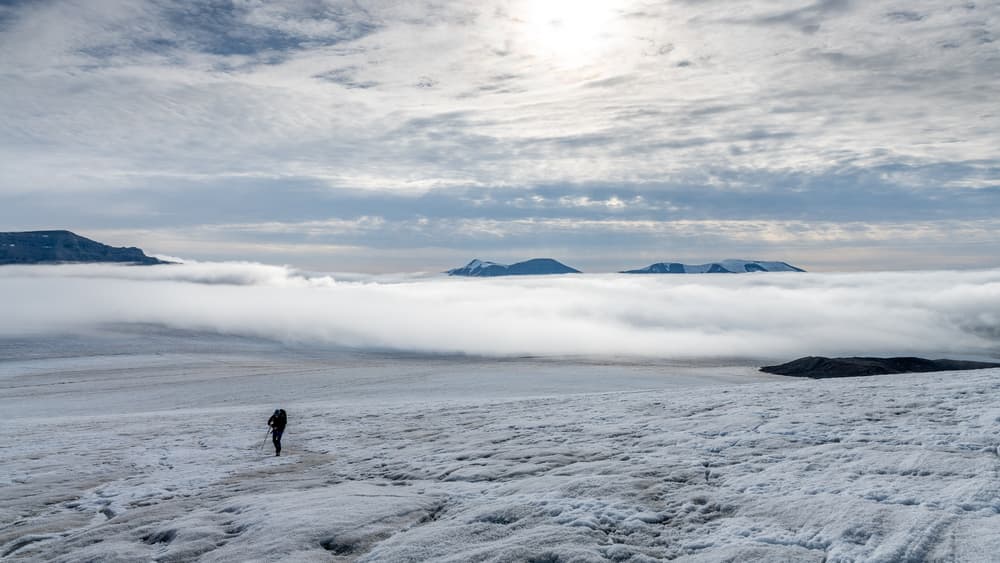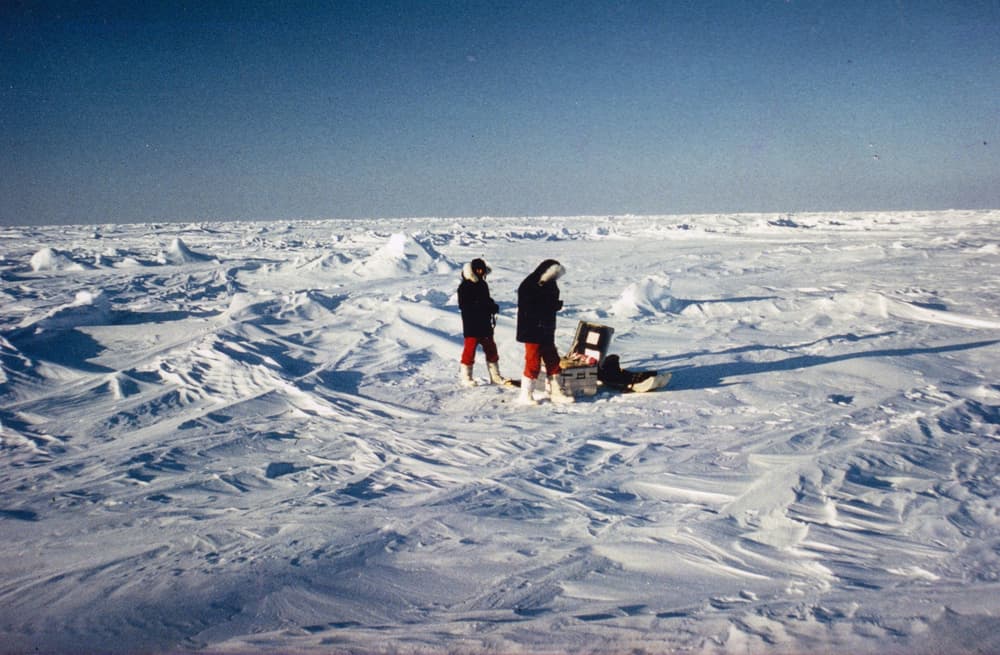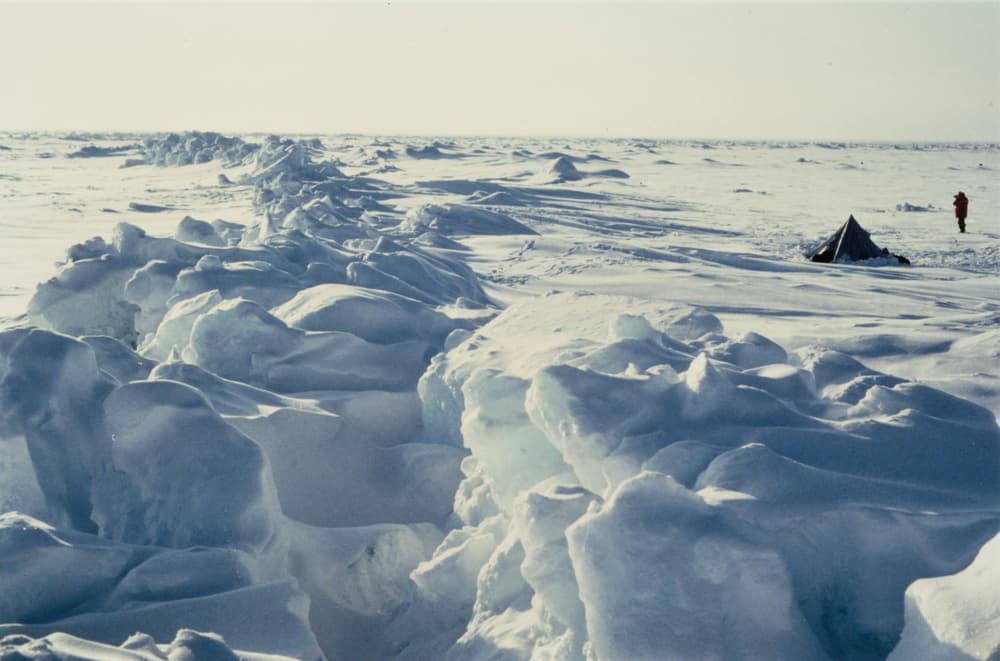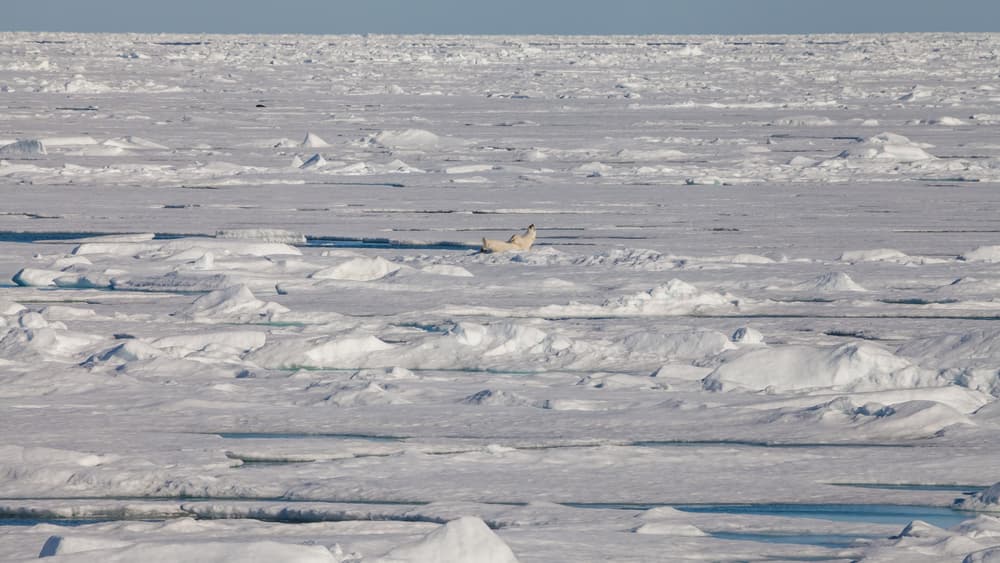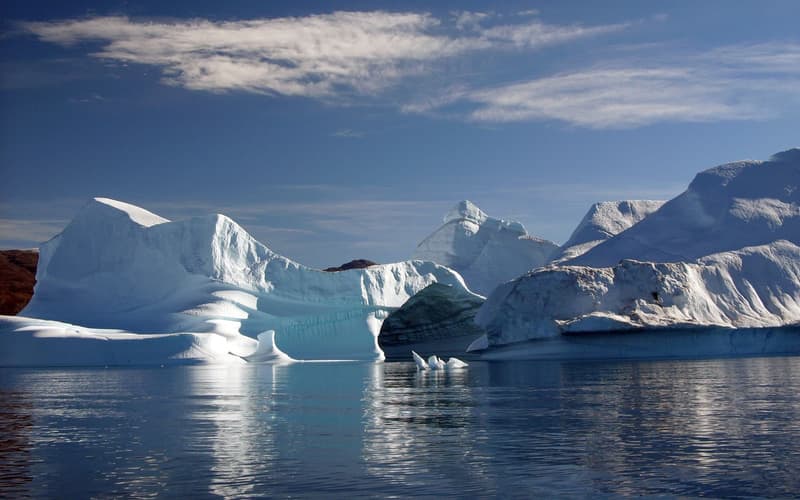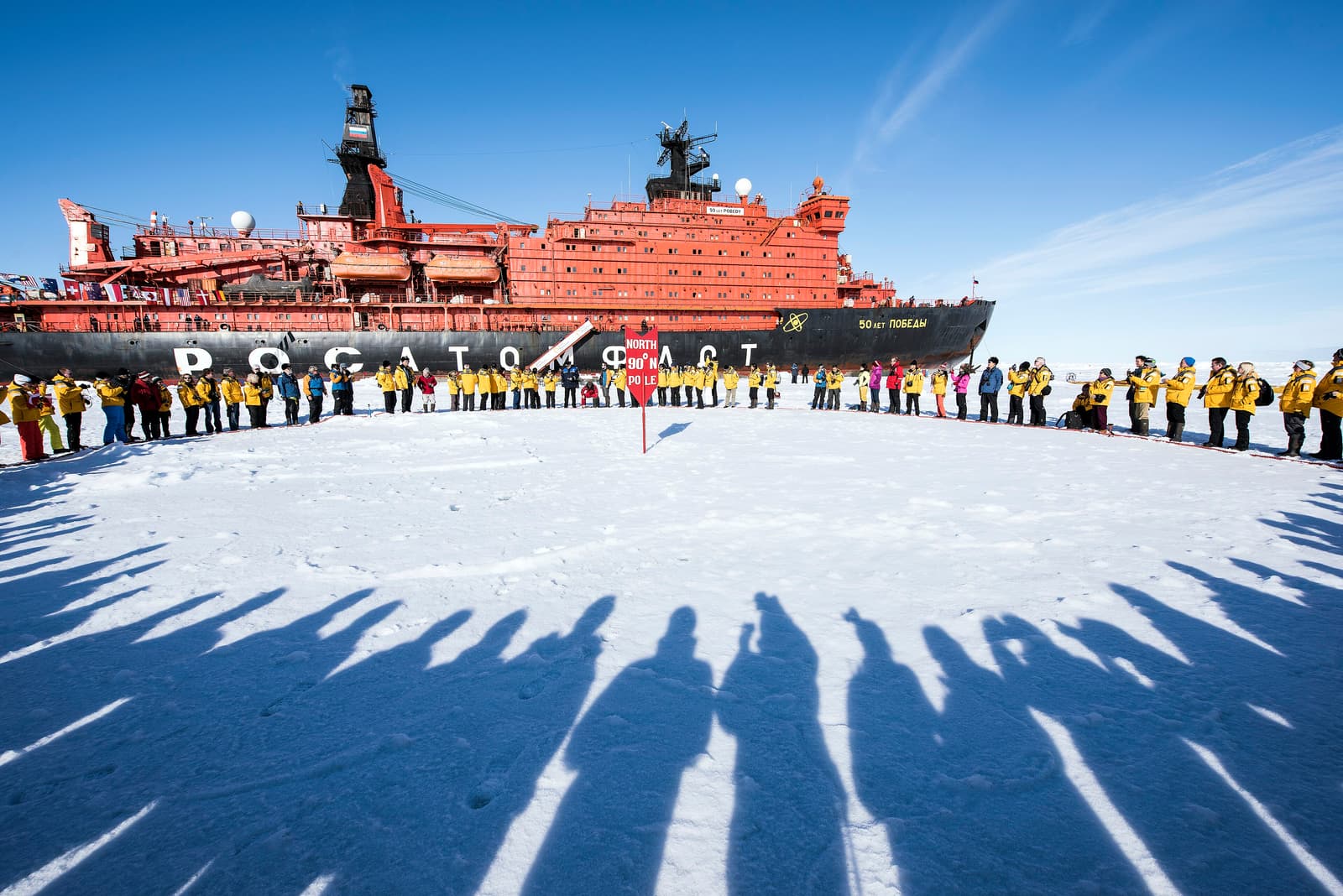
The geographic North Pole is not a place in the usual sense. There is no land: the Pole lies in the middle of the Arctic Ocean, where the water is more than 4,000 metres deep and covered by pack ice a few metres thick that drifts several kilometres a day. A flag planted at 90° north will have moved off the spot by morning. The nearest land is the north coast of Greenland, about 700 km away. The sun rises once a year, at the March equinox, and sets once, in September.
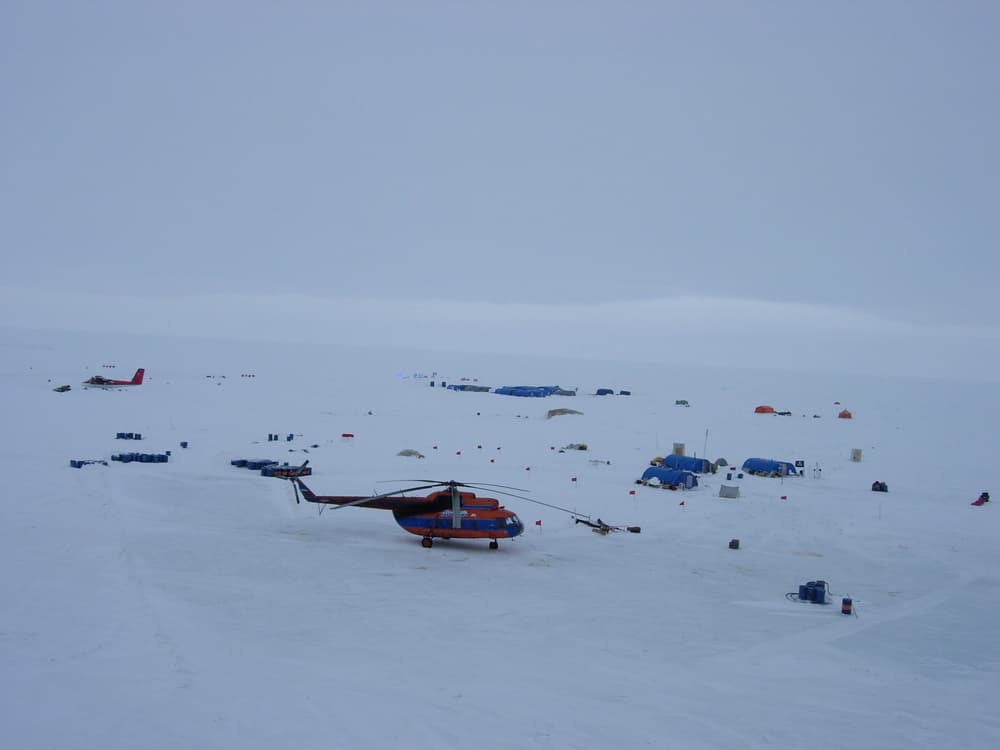
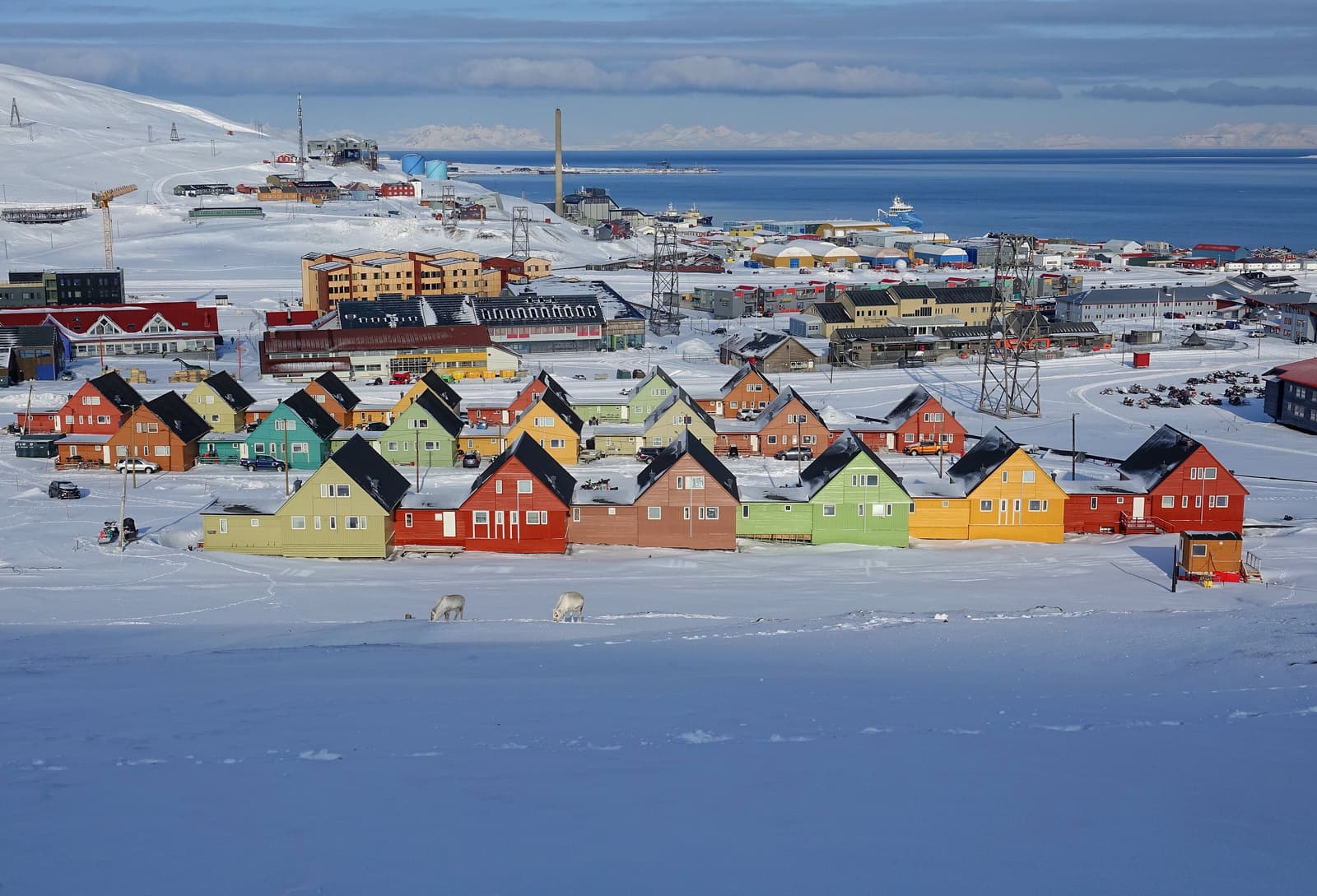
Tourists have been going since the 1990s, in small numbers and at very high prices. In practice there are two methods: a voyage of about two weeks on one of the handful of ships able to break through multi-year ice, or a flight in April to a temporary camp on the ice near the Pole followed by a helicopter hop or a ski trek. Neither is a tour you can book casually online, both depend on ice, weather and politics, and both have been disrupted in recent years. This page explains honestly what is possible now, and uses Svalbard — the main Western gateway — for practical bookings.
Highlights
- Standing at 90° north, where every direction is south
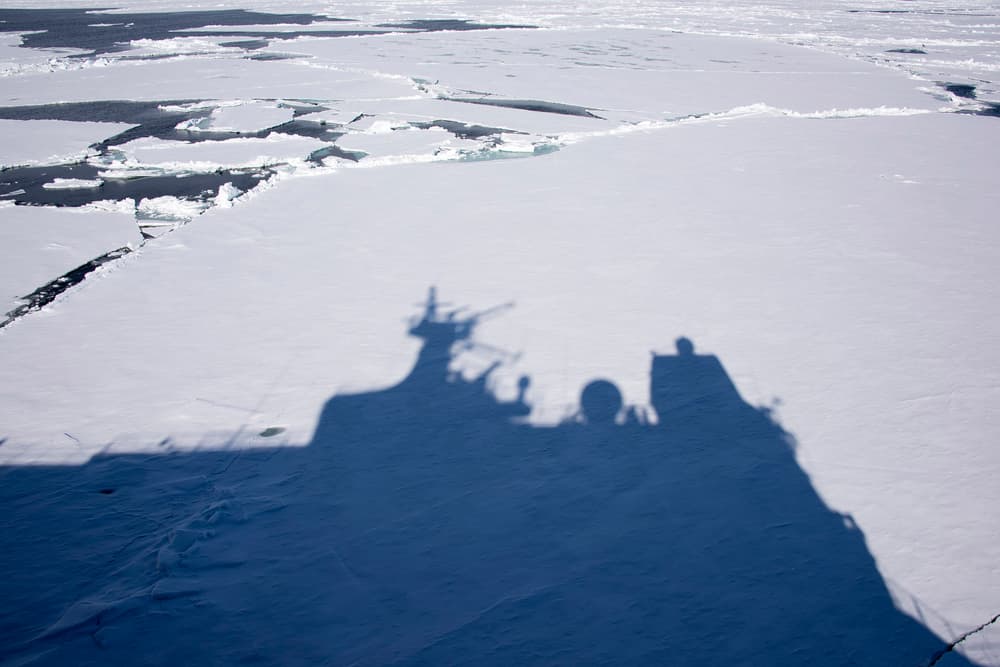
- The ship riding up and crashing through pressure ridges for days on end
- Walking ‘around the world’ in a circle on the ice
- A polar plunge in a lead of open water
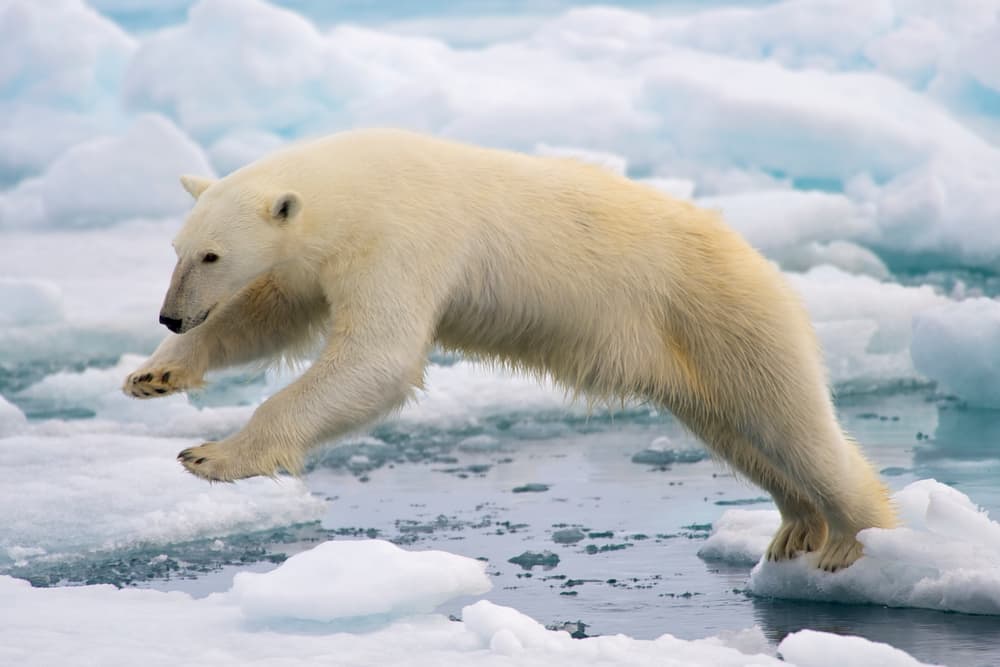
- Polar bears, seals and ivory gulls far out on the pack
- Twenty-four-hour daylight over an ocean of ice
North Pole: planning your time
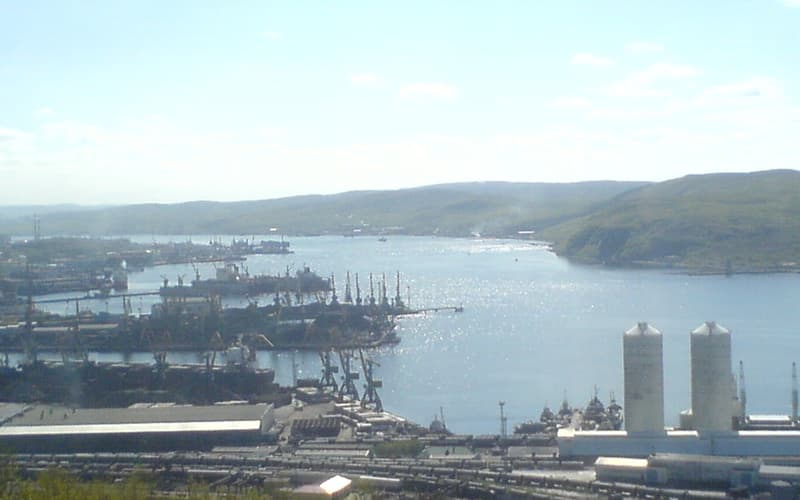
Start planning 12 to 18 months ahead. Decide whether you want the journey through the ice (ship) or the brief, intense experience of the ice camp and a ski or helicopter approach (fly-in). Check the operator’s departure port carefully — Longyearbyen and Murmansk are very different propositions at present — and read your government’s travel advice. Then add at least two nights in the gateway on each side, comprehensive evacuation insurance, and the acceptance that the Pole is never guaranteed.