Arctic itineraries
Three day-by-day routes, and a straight answer to the big question: ship or shore?
The commonest planning mistake in the Arctic is underestimating distance and overestimating reliability. The hubs on this site are spread around an ocean; there are almost no direct links between regions, and flights, boats and roads are stopped by weather far more often than further south. A good plan picks one region, or two with an easy connection, and leaves a spare day wherever a flight or a boat could fail.
The three routes below use scheduled transport and bookable tours, and each can be done in winter or summer with different activities. After them we compare the two basic ways of travelling here — an expedition cruise or a land-based trip — because that choice shapes everything else.
7 days: Arctic Norway by coast
Tromsø to Kirkenes along the Finnmark coast, using the daily coastal ship for the scenic legs and a flight home. Works in every season: aurora and snow in winter, midnight sun in summer.
- Days 1–3TromsøArrive by air. Northern-lights chase on the first night; a whale safari or fjord cruise; the cable car, the Arctic Cathedral and a reindeer or dog-sled trip.
- Day 4Alta or HammerfestFly or take the overnight coastal ship north. In Alta see the rock art and the Northern Lights Cathedral; in Hammerfest the Meridian Column and the harbour.
- Day 5North CapeContinue to Honningsvåg by road or ship and visit the plateau — at midnight in summer, with the convoy in winter.
- Days 6–7KirkenesSail the Barents coast past Vardø to the end of the line. King crab safari, the Snowhotel and the Russian border; fly back via Oslo.
10 days: Tromsø and Svalbard
The classic two-centre trip: the lively mainland gateway, then the high Arctic at 78° north. Choose March–April for snow and light, or June–August for boats and wildlife.
- Days 1–4TromsøThree or four nights for the town, the fjords and — in winter — repeated aurora chances. Add a day in the Lyngen Alps or on Senja.
- Days 5–9LongyearbyenFly north with your passport. A boat to a glacier front or a snowmobile day to the east coast, a wildlife drive, the Seed Vault and museum, and one spare day for weather.
- Day 10ReturnFly back via Tromsø or direct to Oslo. Avoid tight same-day connections on the way home.
12 days: North Iceland and West Greenland
Whales, volcanoes and hot pools, then the icebergs of Disko Bay. Summer only, and the buffer days are not optional — Greenland flights are often delayed.
- Days 1–2Reykjavík to AkureyriArrive in Iceland and fly or drive north. Evening in the Forest Lagoon or the town pool.
- Days 3–5Húsavík, Mývatn and the Diamond CircleWhale watching in Skjálfandi Bay, Dettifoss and Ásbyrgi, the craters and baths at Mývatn, Goðafoss; optional day on Grímsey.
- Days 6–7To GreenlandFly from Iceland to Nuuk or, in season, directly to Ilulissat. A day in the capital if you route through it.
- Days 8–10Ilulissat and Disko BayThe icefjord trails, a midnight iceberg cruise, whale watching and the long day to Eqi glacier.
- Days 11–12Buffer and returnOne spare day in Ilulissat or Nuuk, then fly out via Iceland or Copenhagen.
Expedition cruise or land-based trip?
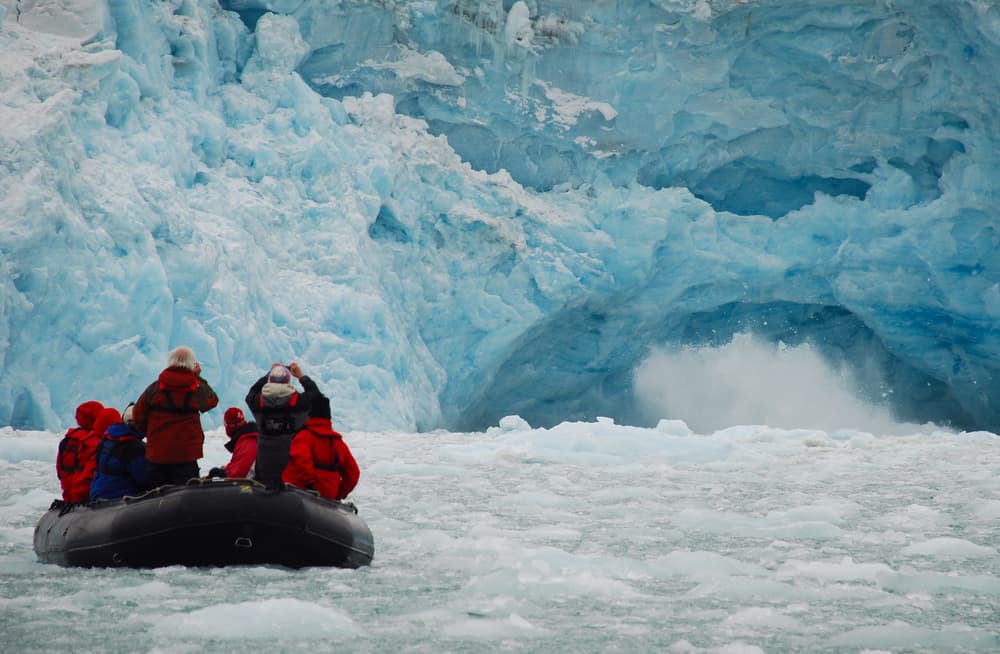
An expedition cruise is a small ship — usually 50 to 200 passengers — that carries its own guides, inflatable landing boats and hotel into places with no harbours or roads. It is the only practical way to see the coasts where most Arctic wildlife lives: the north and east of Svalbard, East Greenland’s fjords, the Northwest Passage, the pack-ice edge. You unpack once, land twice a day when conditions allow, and attend lectures in between. The price is high, the itinerary is never guaranteed, and you see settlements only briefly.
A land-based trip means staying in a gateway town and going out on day tours. It is far cheaper, works in winter as well as summer, lets you choose your own activities and pace, and puts more of your money into local businesses. You will see less remote wildlife — a polar bear is unlikely from Longyearbyen or Tromsø — but you get northern lights, dog sledding, whale boats and culture that no summer cruise offers.
As a rule: for a first trip, a winter trip or a budget below a few thousand dollars, go land-based in Norway, Iceland or Svalbard. For polar bears, walrus, remote fjords and the feeling of being beyond the map, save for a cruise of at least eight days on a ship with fewer than 200 passengers — in Svalbard’s protected areas larger ships are no longer allowed to land.
The Norwegian coastal route as a moving base
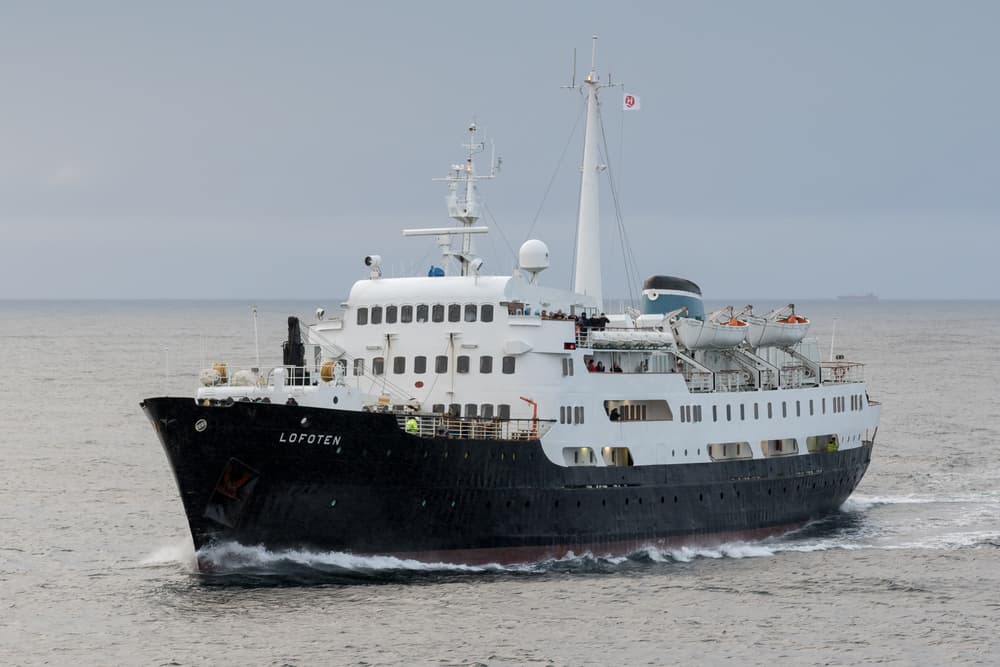
Between the two lies a third way. Two companies sail daily between Bergen and Kirkenes, calling at 34 ports in about six and a half days northbound. These are working ships carrying freight and local passengers as well as tourists, and you may buy a ticket for any stretch, with or without a cabin.
North of the Arctic Circle the route links Tromsø, Hammerfest, Honningsvåg for North Cape, Vardø and Kirkenes, with excursions sold at most calls. In winter the ship is itself a good platform for aurora, far from town lights; in summer it sails under the midnight sun.
It is not an expedition cruise — there are no landings by small boat and no wildlife guides in the same sense — but it is comfortable, reliable in almost any weather and a fine way to understand how this coast works.
Planning notes
- Put a spare day after every flight to or from Svalbard, Greenland and northern Canada, and never connect to an intercontinental flight on the same day.
- Travel in one direction where you can: fly into one hub and out of another rather than doubling back.
- Decide your season before your destination. Winter and summer in the Arctic are different trips with different activities.
- Book flights and beds first — they are the scarce items — and tours second.
- Buy insurance that covers delays, missed connections and medical evacuation.
Itinerary FAQs
How many days do I need for the Arctic?
Five to seven days is enough for one hub in Norway or Iceland. Allow ten days for two hubs, and two weeks or more for Greenland or anything involving an expedition ship.
Can I combine Svalbard and Greenland?
Not easily by scheduled transport: you would have to fly back through Oslo or Copenhagen and Iceland. Some late-season expedition cruises sail from Svalbard to East Greenland and end in Iceland.
Is winter or summer better?
Winter for northern lights, snow activities and lower numbers in the high Arctic gateways; summer for boats, wildlife, hiking and the midnight sun. March and September are the best compromises. See when to go.
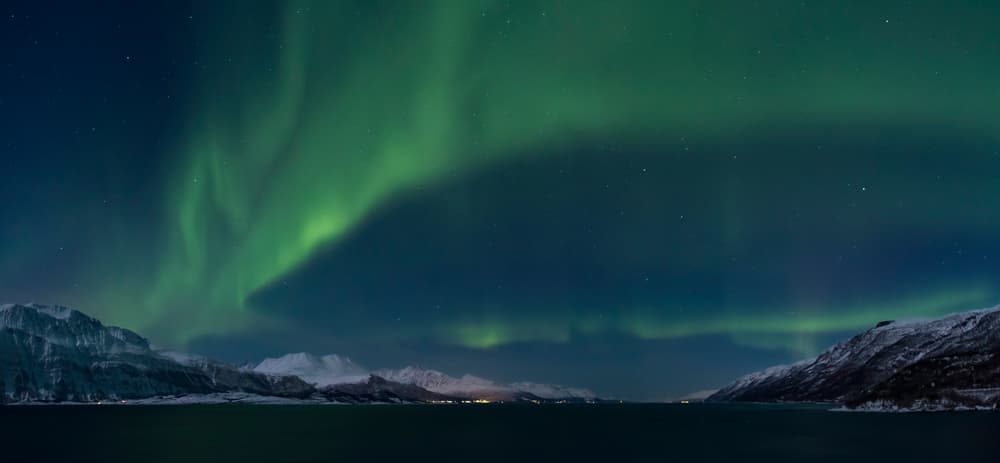
Ice, whales, midnight sun and aurora — book the limited-seat days first
Boats, sleds and small-group minibuses in the Arctic carry few people, and the best weeks are short. Compare the best tours from Tromsø, Svalbard, North Cape, Iceland and beyond, and reserve in a couple of taps.