 Iceland & Greenland
North Iceland
Iceland’s Arctic coast: whale watching from Húsavík and Akureyri, Lake Mývatn’s volcanic landscapes, Dettifoss, and Grímsey, the island the Arctic Circle runs through.
Three sights of the far north-east, reached by ship, and four around Tasiilaq, reached by air.
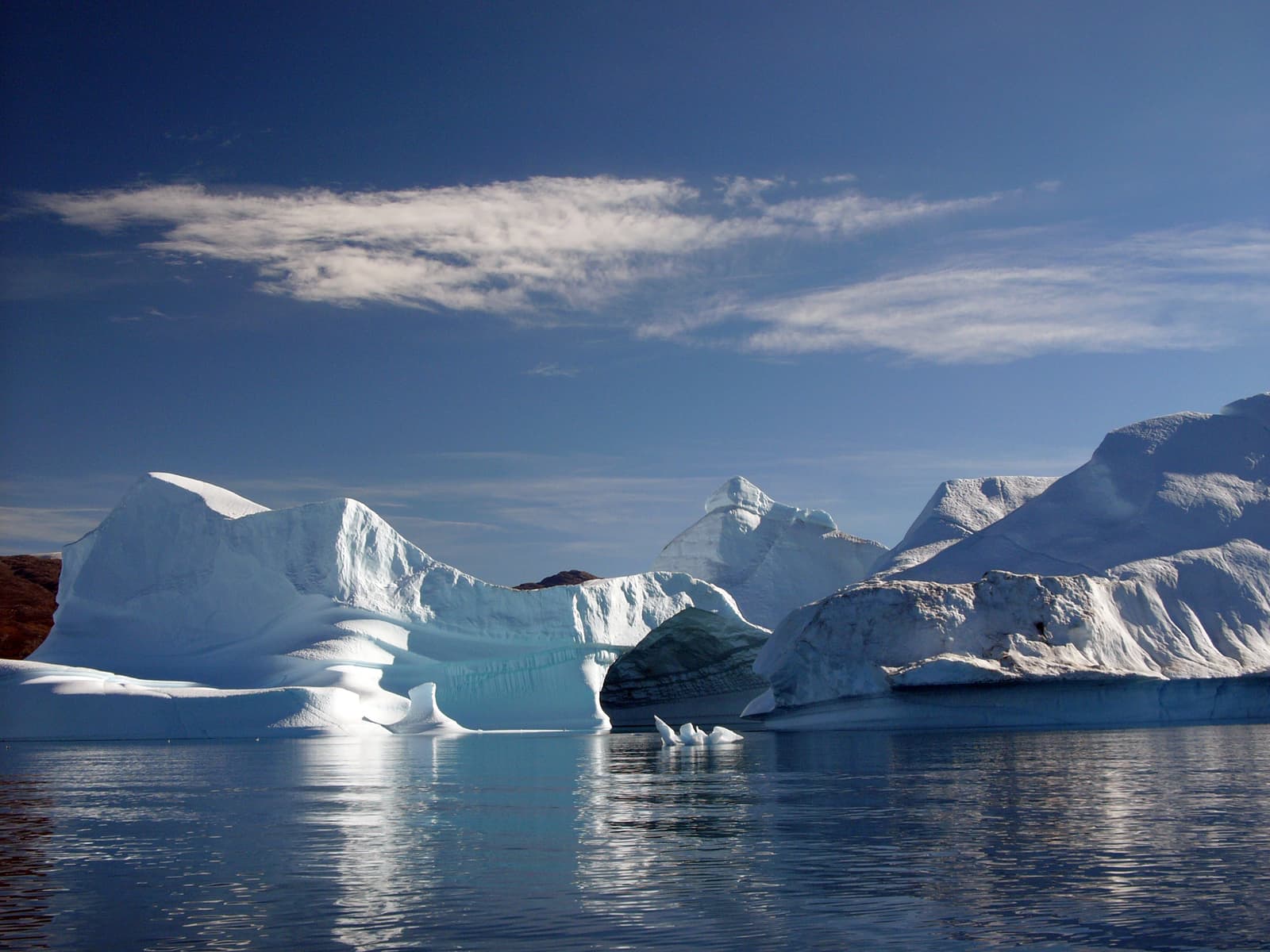
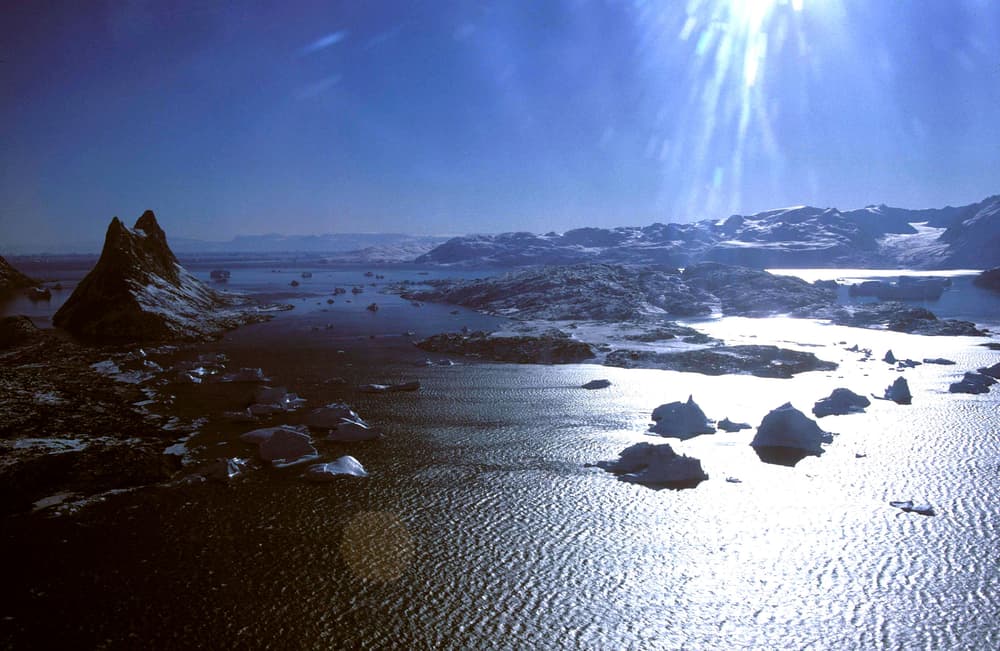
Named after an English whaler who charted it in 1822, the fjord system covers an area larger than many countries, with depths of more than 1,400 metres. Ships thread narrow arms such as Øfjord, beneath granite walls, and anchor off Røde Ø, an island of red sandstone surrounded by grounded icebergs. Zodiac cruises and tundra walks are made wherever ice allows.
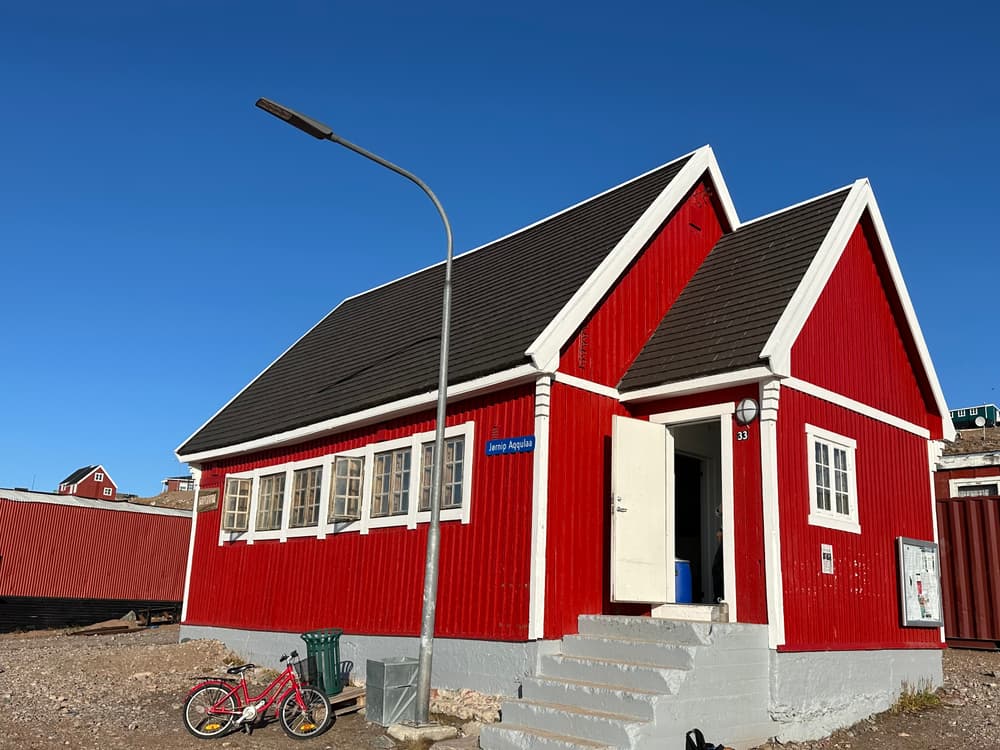
About 350 people live in bright wooden houses on a rocky slope at the fjord mouth, cut off by sea ice for around nine months of the year. Founded in 1925, the community still depends on hunting seals, musk oxen, narwhals and a small quota of polar bears. Visitors see the little museum, the church and the weather station, and should behave as guests in someone’s village.
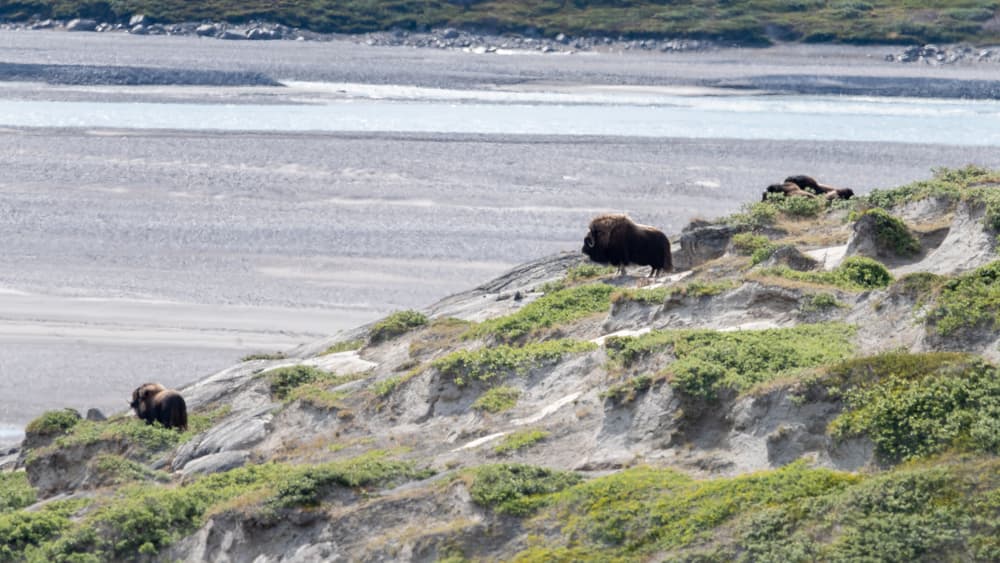
North of Scoresby Sund begins the largest national park in the world, almost a million square kilometres with no permanent residents. The low tundra of Jameson Land, on the fjord’s north shore, has one of Greenland’s largest populations of musk oxen, along with Arctic hares, geese and occasional polar bears. Access to the park needs a permit, which cruise operators arrange.
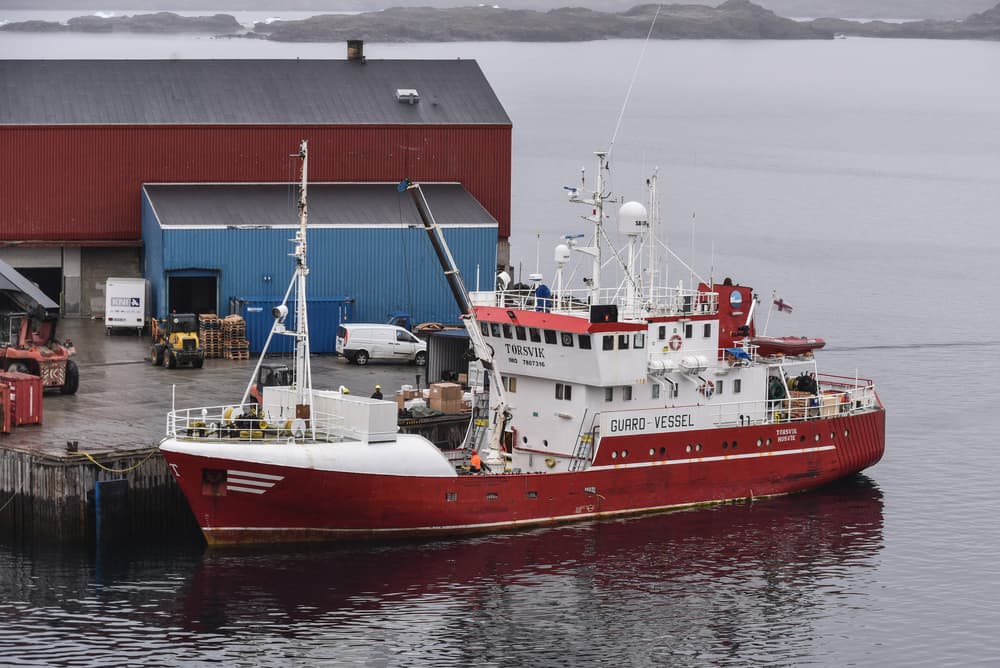
East Greenland’s only real town, with around 2,000 people, lies on a sheltered bay ringed by sharp peaks. Europeans first reached this district in 1884, and East Greenlandic language and traditions remain distinct. Walk the Valley of Flowers behind the town, visit the museum in the old church and look for tupilak carvings in the workshop.
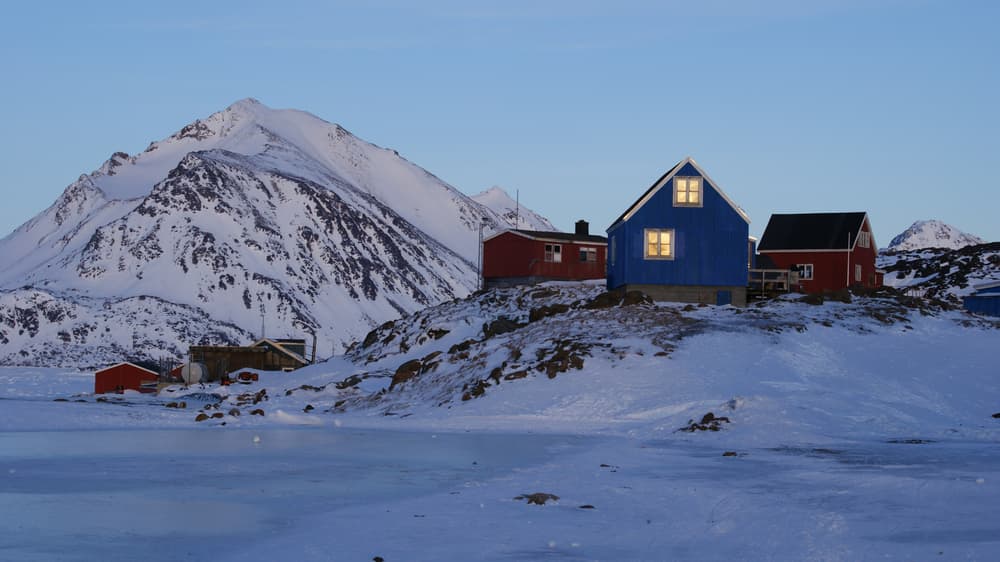
A village of about 250 people on a small island, with the area’s only airstrip — built by the United States military in the 1950s. Most visitors only pass through, but a walk into the settlement gives views of icebergs and the open sea, and a first sense of how small communities here are.
A broad fjord west of Tasiilaq, fed by several large glaciers and almost always crowded with icebergs. Boat trips from Tasiilaq reach its shore near the tiny settlement of Tiniteqilaaq, and multi-day kayak and hiking trips follow its edge. Whales are sometimes seen in summer.
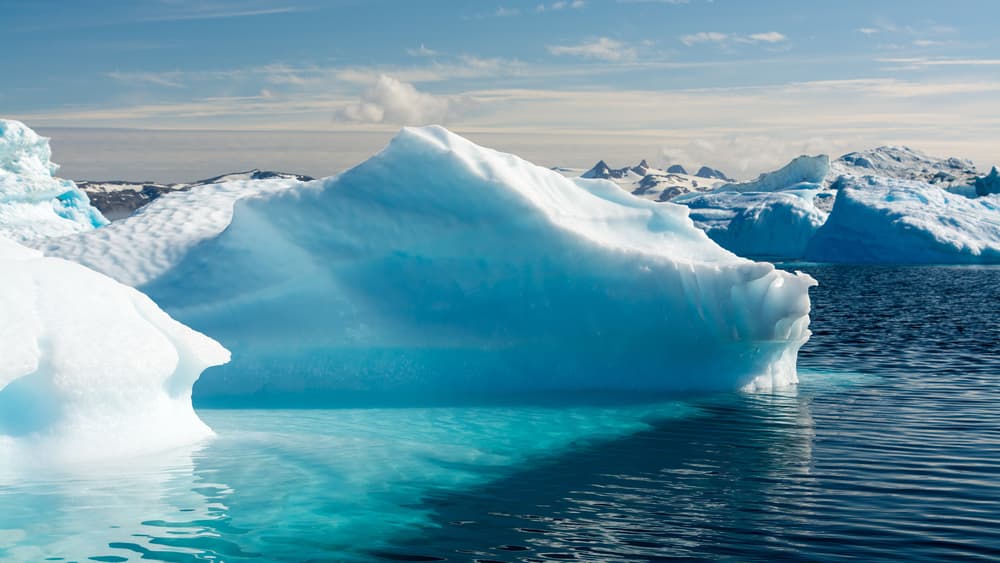
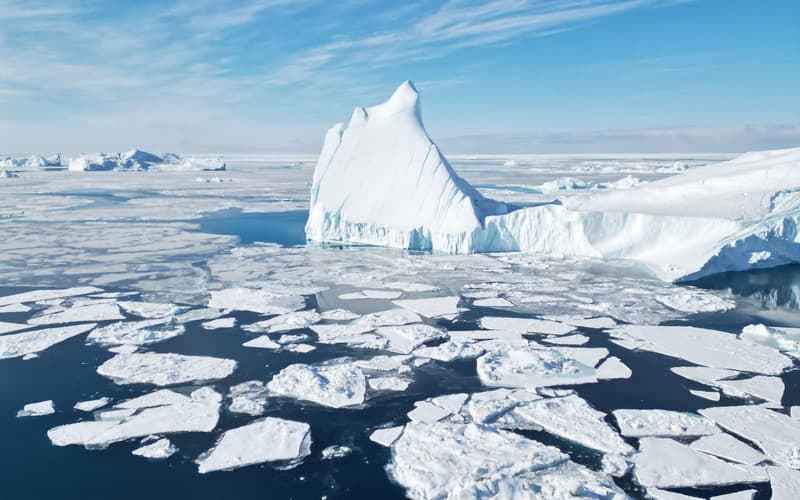
Throughout the east coast, glaciers flow from the ice sheet straight into the sea. In Scoresby Sund the bergs they release collect in shallow bays where ships launch Zodiacs to drift among them; near Tasiilaq, day boats visit calving fronts such as the Knud Rasmussen glacier.
Iceland & Greenland Iceland’s Arctic coast: whale watching from Húsavík and Akureyri, Lake Mývatn’s volcanic landscapes, Dettifoss, and Grímsey, the island the Arctic Circle runs through.
 Iceland & Greenland
Ilulissat and Disko Bay: a fjord choked with icebergs the size of city blocks, whales among the ice, sled dogs and the midnight sun — with Nuuk as the gateway.
 Norway & Svalbard
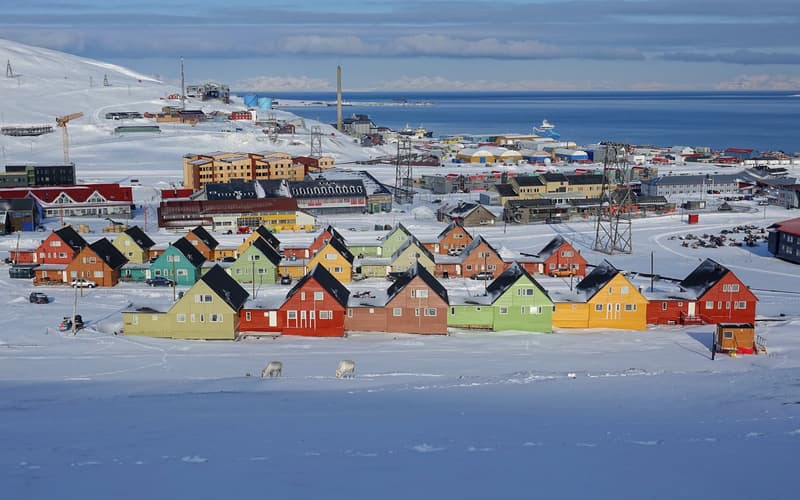
Norway’s high-Arctic archipelago, halfway between the mainland and the North Pole: glaciers, polar bears, walrus and the world’s northernmost town.
Compare real-time prices and availability on GetYourGuide. Most tours can be cancelled free of charge up to 24 hours ahead.