 Norway & Svalbard
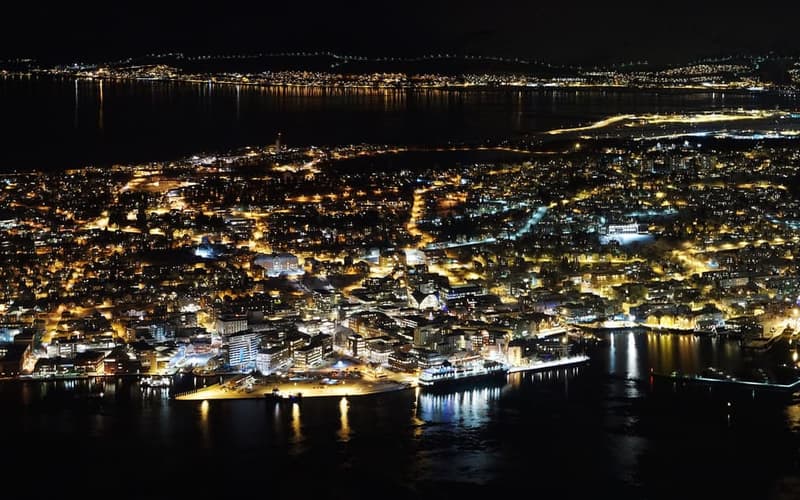
Tromsø
The lively capital of Arctic Norway: northern lights and whales in winter, midnight sun and fjords in summer, and flights onward to Svalbard.
Seven things to build a stay around — one in town, the rest out in the fjords and valleys.
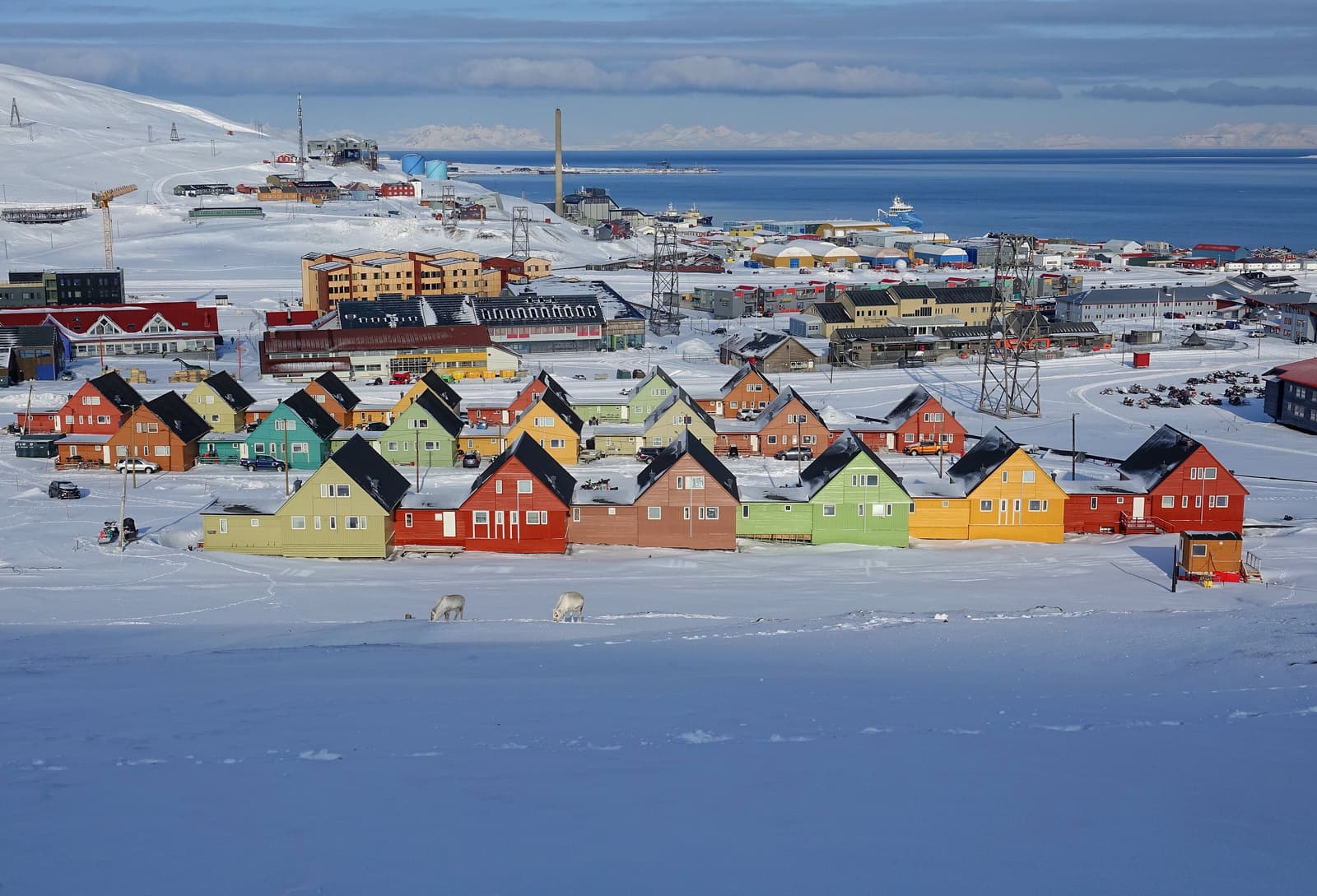
Founded as a coal-mining camp in 1906, Longyearbyen is now a compact town of brightly painted houses, a university centre, a brewery and more good restaurants than its size suggests. See the Svalbard Museum for a clear introduction to the islands’ nature and history, the North Pole Expedition Museum for the airship era, and the old cableway trestles that once carried coal to the quay.
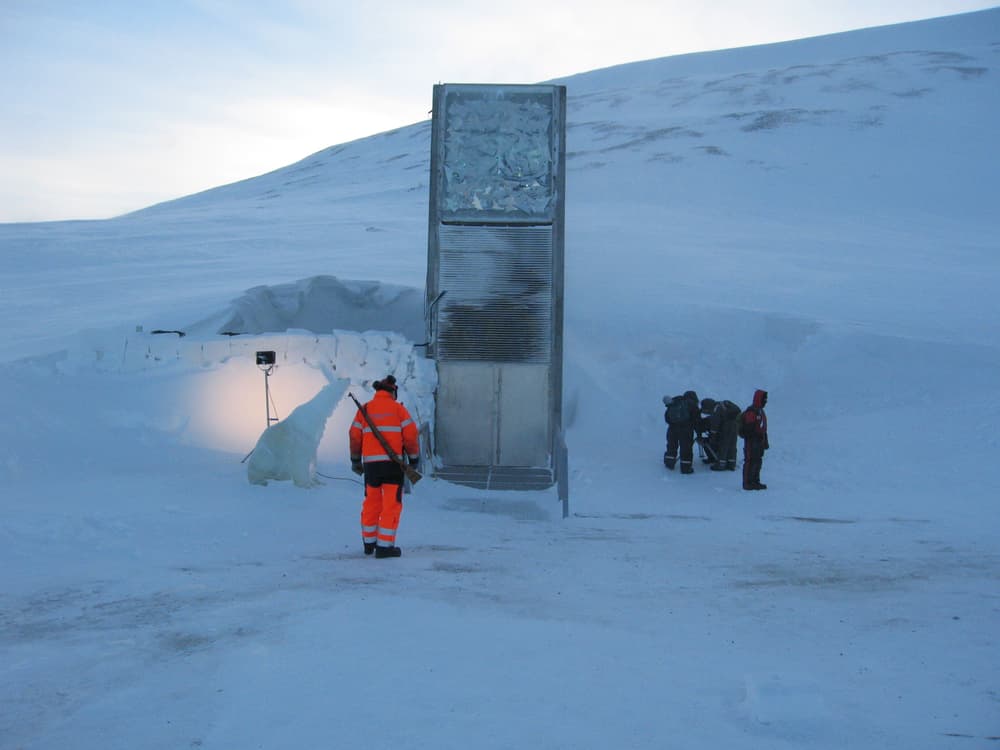
Opened in 2008, the vault stores duplicate seed samples from gene banks around the world deep in the permafrost of a mountain above the airport. Visitors cannot go inside, but the illuminated concrete entrance is one of the Arctic’s most recognisable sights and stands inside the safe zone reachable by road.
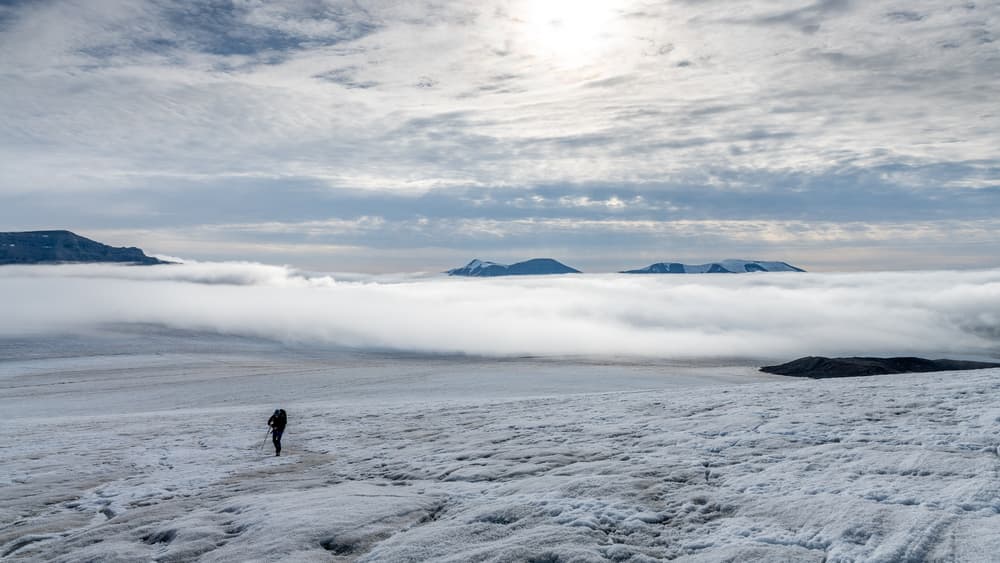
Boat trips from Longyearbyen cross Isfjorden to tidewater glaciers such as Nordenskiöldbreen, Esmarkbreen and Borebreen, where the ice front meets the sea. Seabird cliffs, seals and sometimes walrus or belugas are seen on the way. Closed, heated boats run for most of the ice-free season; open RIB boats are faster and colder.
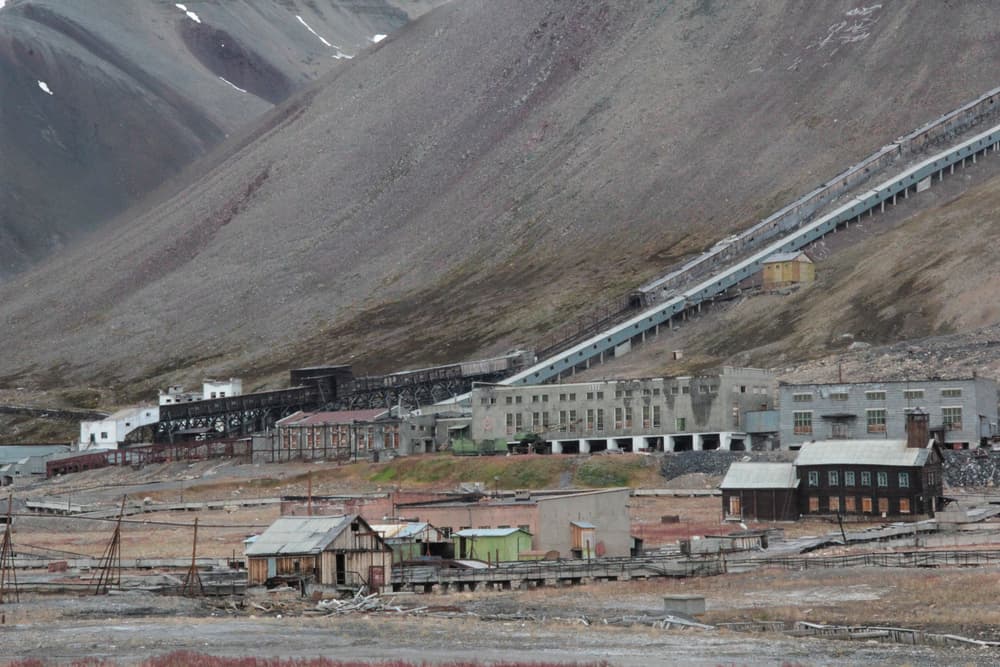
A Soviet mining town at the foot of a pyramid-shaped mountain in Billefjorden, abandoned in 1998 and left almost as it was, with its cultural palace, swimming pool and a bust of Lenin facing the glacier. It is reached by boat in summer and by snowmobile in spring. The settlement is still owned by a Russian state company; some Norwegian operators have limited or stopped landings since 2022, so check what a trip actually includes.
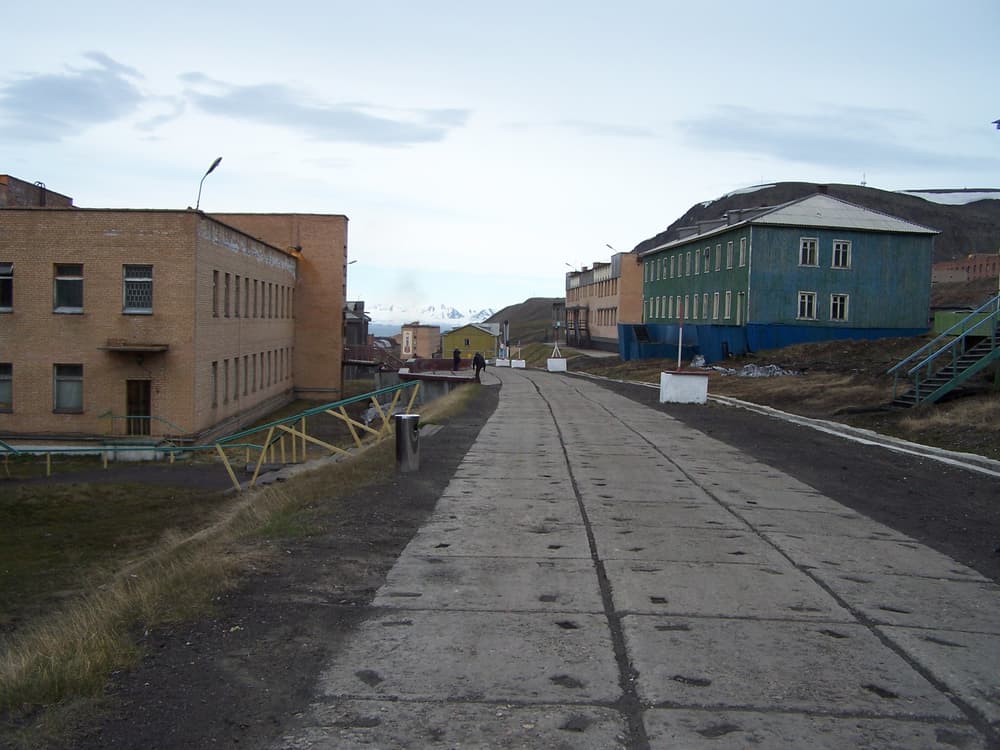
A working Russian mining settlement about 55 km west of Longyearbyen, with Soviet-era architecture, a small museum and a few hundred residents. As with Pyramiden, visits depend on the season, the operator and the current political situation; ask before booking.
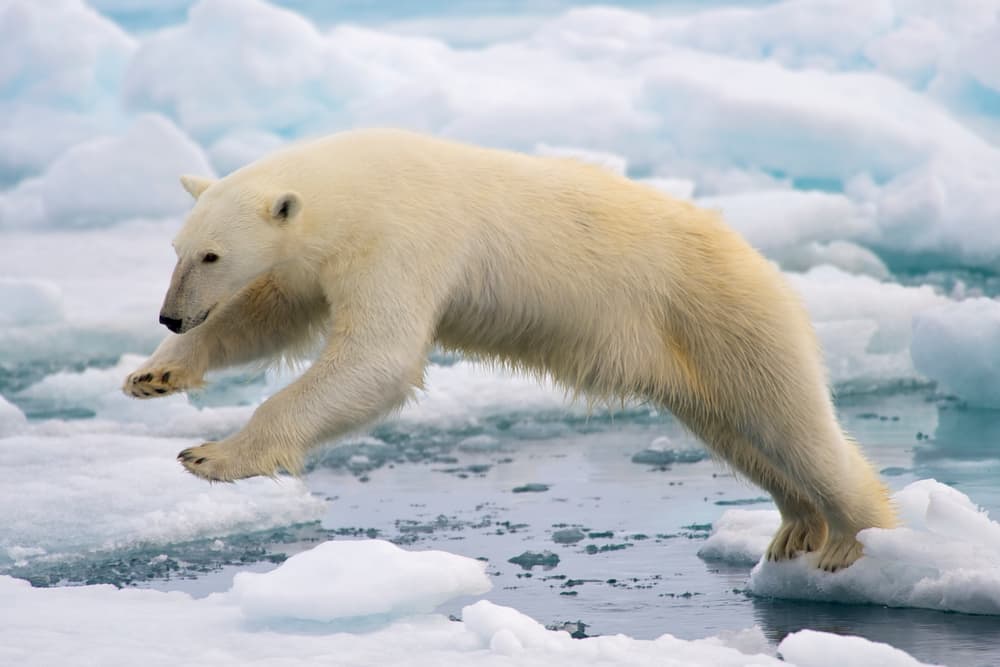
Walrus haul out on beaches such as Poolepynten and Borebukta, beluga whales pass close to shore, and little auks, guillemots and kittiwakes crowd the bird cliffs in summer. Polar bears can appear anywhere, at any time of year; the law now requires everyone to keep at least 300 metres away (500 metres from 1 March to 30 June), so sightings are distant and binoculars are essential.
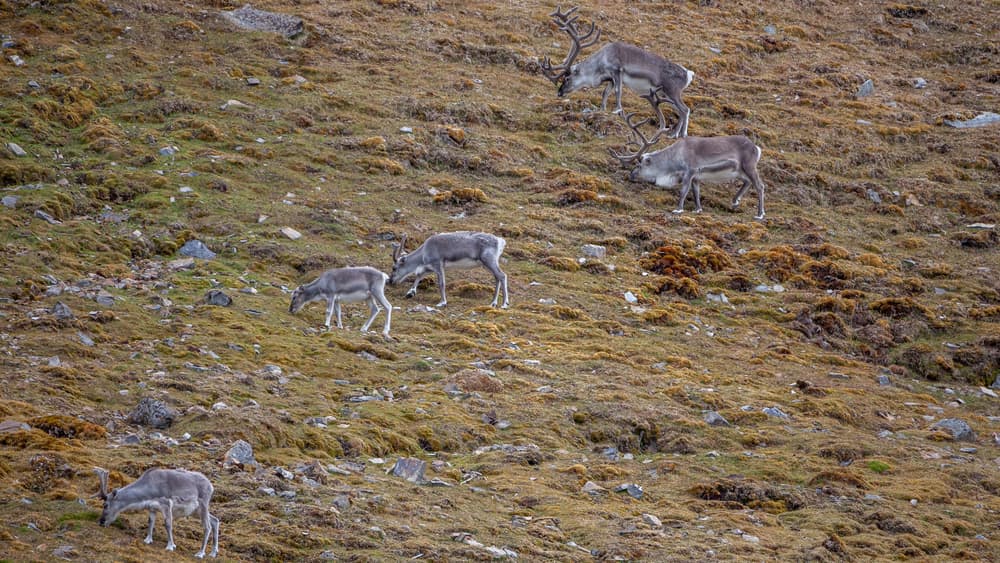
The broad valley behind Longyearbyen is the easiest place to see Svalbard reindeer, geese and Arctic foxes, and the usual stage for dog-sledding and northern-lights trips. The road runs past old mines to the edge of the safe zone; beyond the polar bear signs you need a guide.
Norway & Svalbard The lively capital of Arctic Norway: northern lights and whales in winter, midnight sun and fjords in summer, and flights onward to Svalbard.
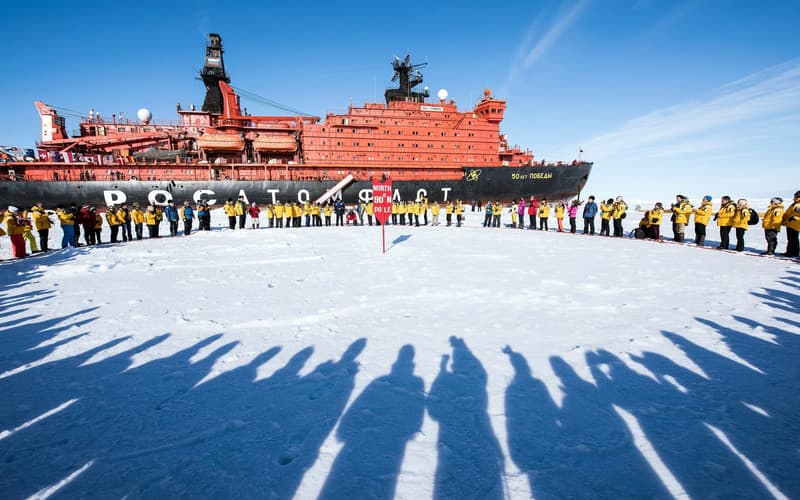 The Pole & Russia
90° north: a point on drifting sea ice above four kilometres of ocean, reached only by icebreaker or by ski-plane and helicopter — the most exclusive journey in the Arctic.
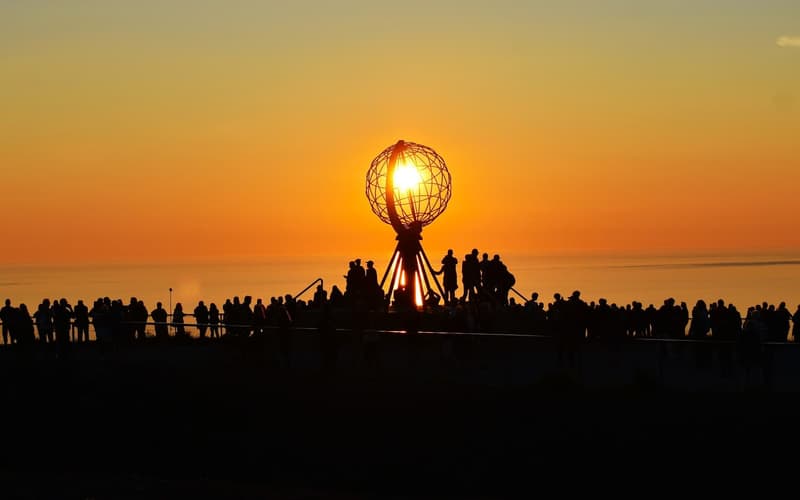 Norway & Svalbard
A 307-metre cliff at 71° north where Europe’s road network ends and the Barents Sea begins — reached from the fishing port of Honningsvåg.
Compare real-time prices and availability on GetYourGuide. Most tours can be cancelled free of charge up to 24 hours ahead.