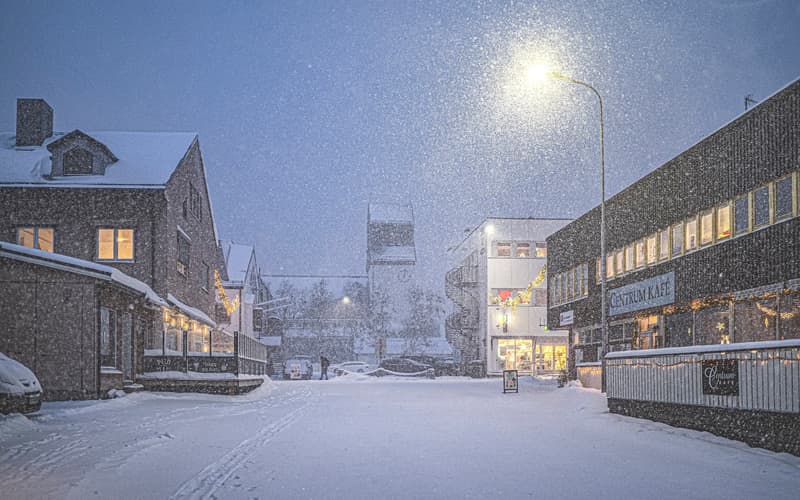
 Norway & Svalbard
Kirkenes
The end of the Norwegian coastal route, a few kilometres from Russia and Finland: king crab, a year-round snow hotel, border history and the bird cliffs of Varanger.
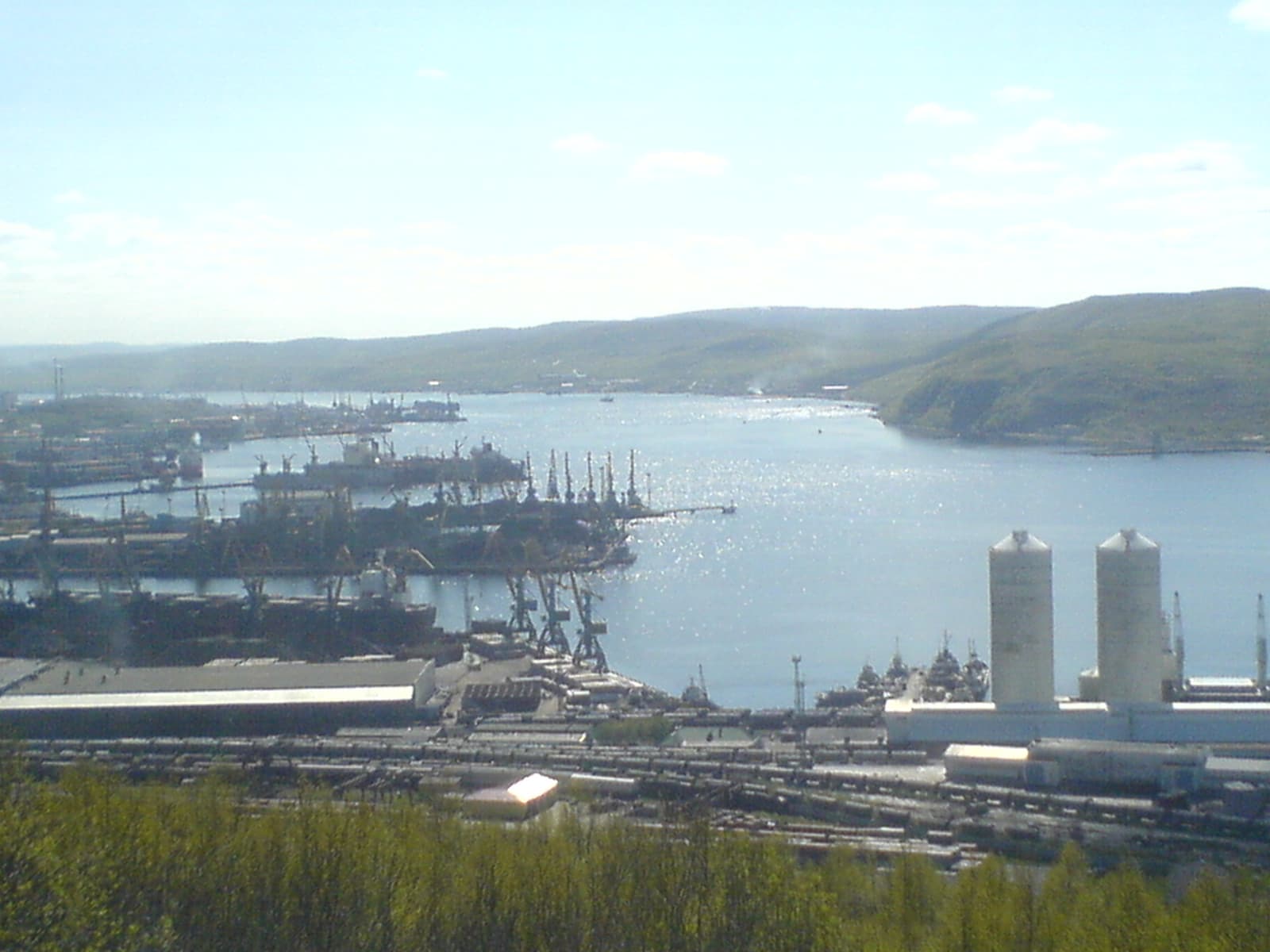
The principal places on Russia’s Arctic Ocean coast, described for reference. Access notes reflect the situation before and since 2022.
Founded in 1916 on the Kola Bay, where a branch of the Gulf Stream keeps the water ice-free all winter, Murmansk is the home port of Russia’s nuclear icebreaker fleet and a large fishing and naval centre. Above the city stands ‘Alyosha’, a 35-metre concrete soldier commemorating the defence of the Arctic in the Second World War. The sun does not rise for about six weeks in midwinter.
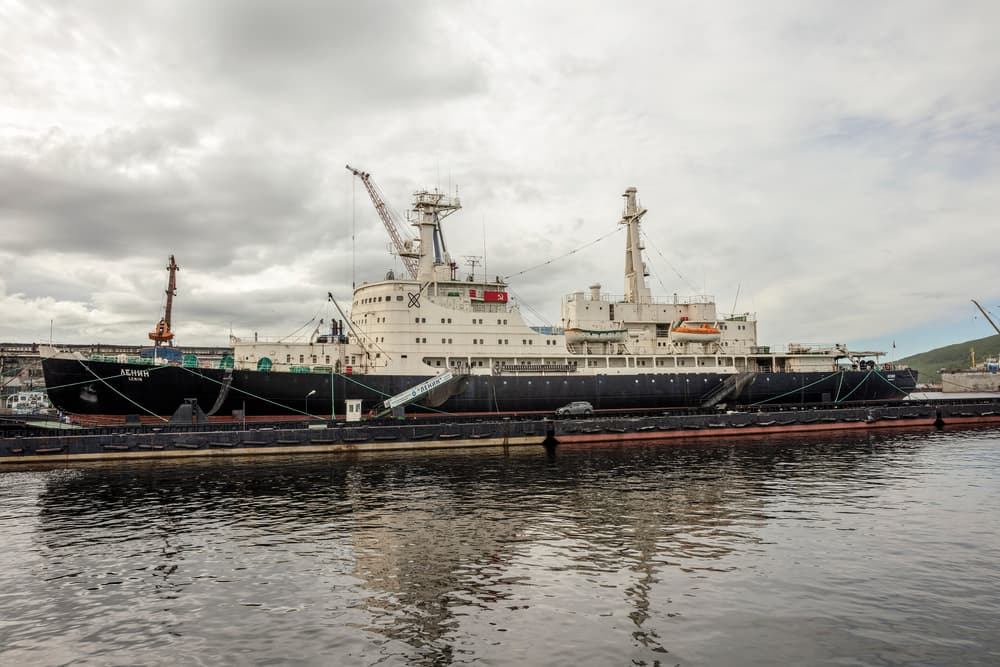
Launched in 1957, the Lenin was the world’s first nuclear-powered surface ship and worked the Northern Sea Route for three decades. Since 2009 it has been moored in Murmansk as a museum, with its wood-panelled wardroom and a viewing window on to the reactor compartment.
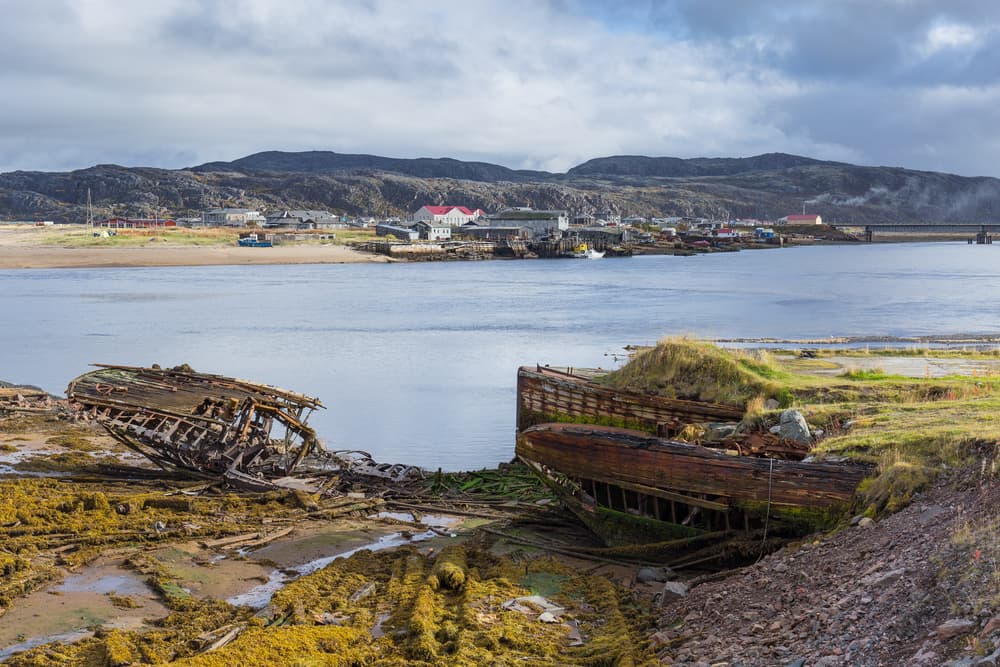
A weather-beaten fishing village on the open Barents Sea, about 120 km from Murmansk, that became widely known through the 2014 film Leviathan. Visitors came for its rocky shore, wrecked wooden boats, winter aurora and summer whale-watching.
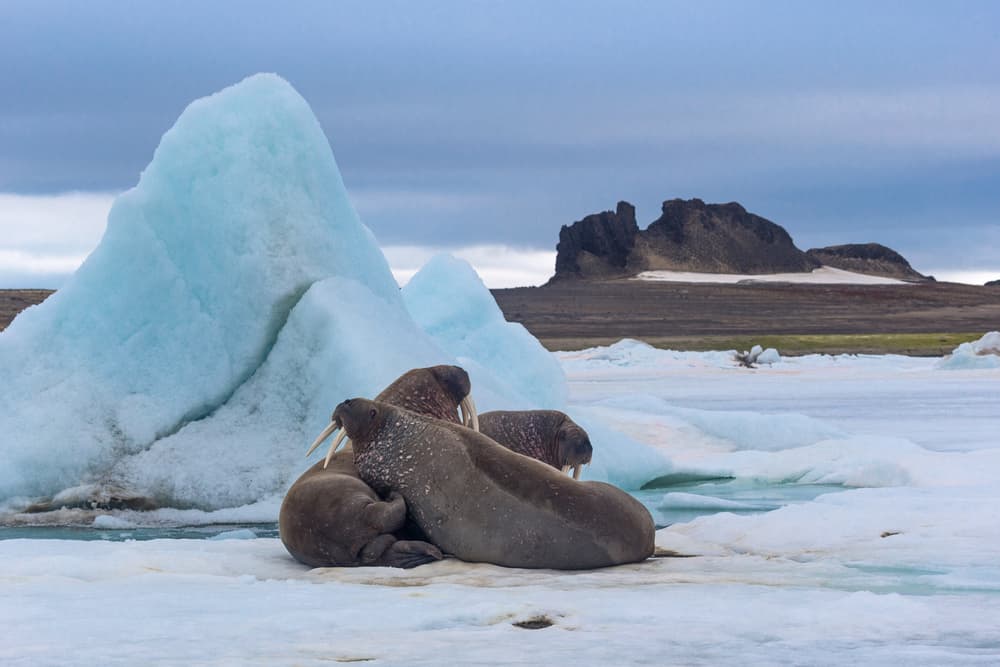
An archipelago of some 190 ice-capped islands between 80° and 82° north, part of the Russian Arctic National Park. It has seabird cliffs such as Rubini Rock, walrus and polar bears, mysterious stone spheres on Champ Island and the relics of early polar expeditions. It could be visited only on icebreaker voyages to the North Pole and a few expedition cruises, with permits.
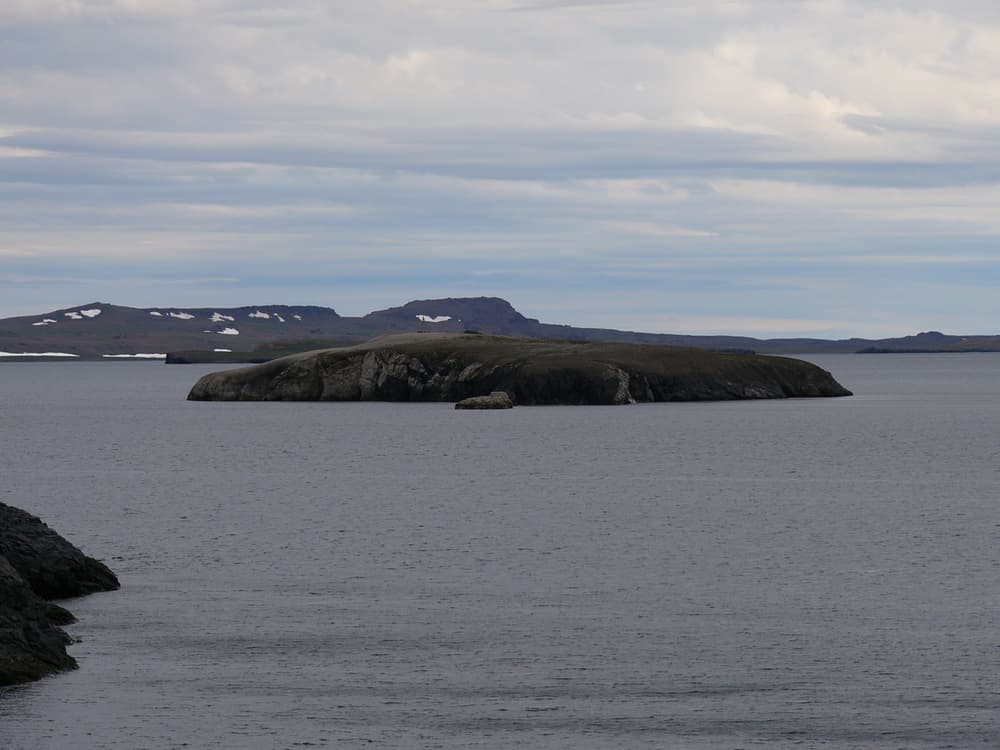
Two long, mountainous islands dividing the Barents Sea from the Kara Sea. The Soviet Union carried out more than a hundred nuclear tests here, including the largest explosion ever detonated, in 1961. Most of the territory is a closed military zone; the northern tip, with its glaciers, lies within the national park.
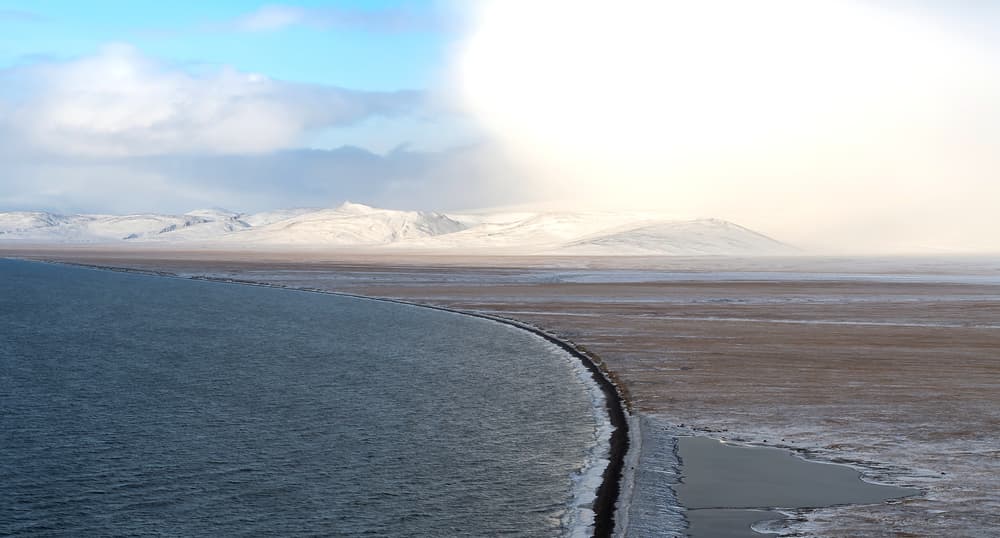
A World Heritage Site in the Chukchi Sea, 140 km off north-east Siberia. It escaped glaciation in the last ice age and has exceptional biodiversity for its latitude: hundreds of polar bear maternity dens, huge walrus haul-outs, snow geese, musk oxen and the place where the last woolly mammoths survived until about 4,000 years ago. Visits were limited to a few expedition ships a year.
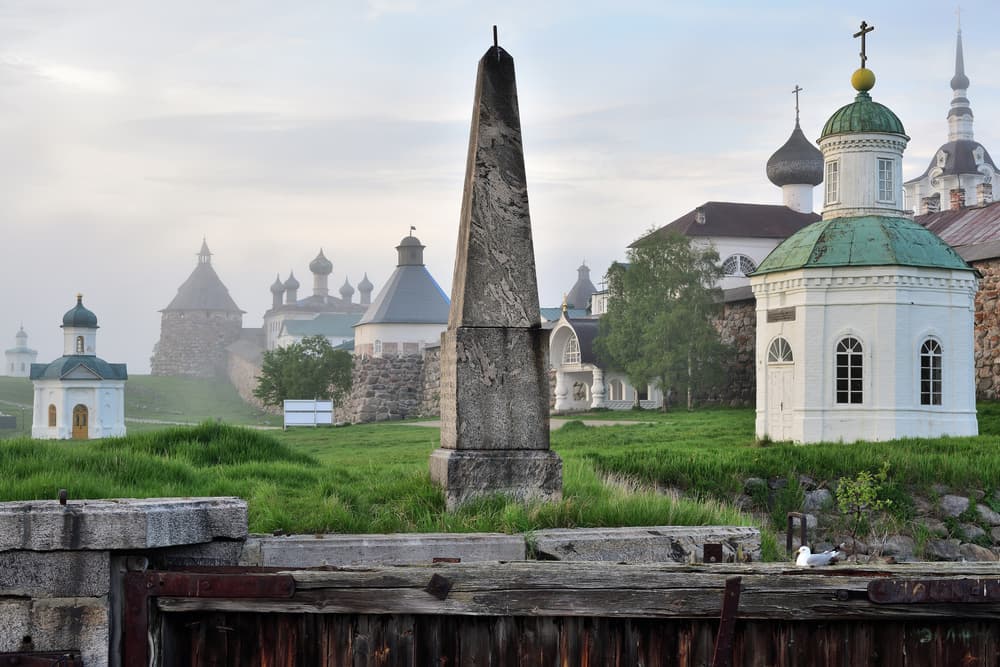
In the White Sea, just below the Arctic Circle, a fortified monastery founded in the fifteenth century rises behind walls of giant boulders. It became one of the first camps of the Soviet Gulag in 1923 and is now a working monastery again and a World Heritage Site, reached by boat or small plane from the mainland in summer.
Norway & Svalbard The end of the Norwegian coastal route, a few kilometres from Russia and Finland: king crab, a year-round snow hotel, border history and the bird cliffs of Varanger.
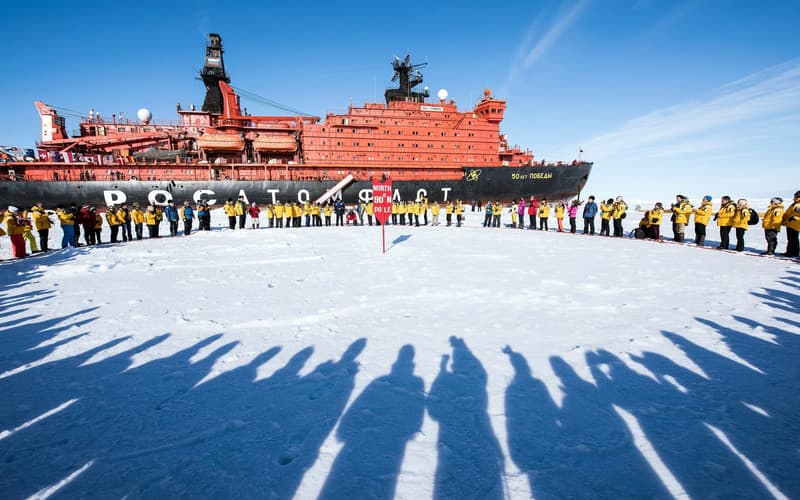 The Pole & Russia
90° north: a point on drifting sea ice above four kilometres of ocean, reached only by icebreaker or by ski-plane and helicopter — the most exclusive journey in the Arctic.
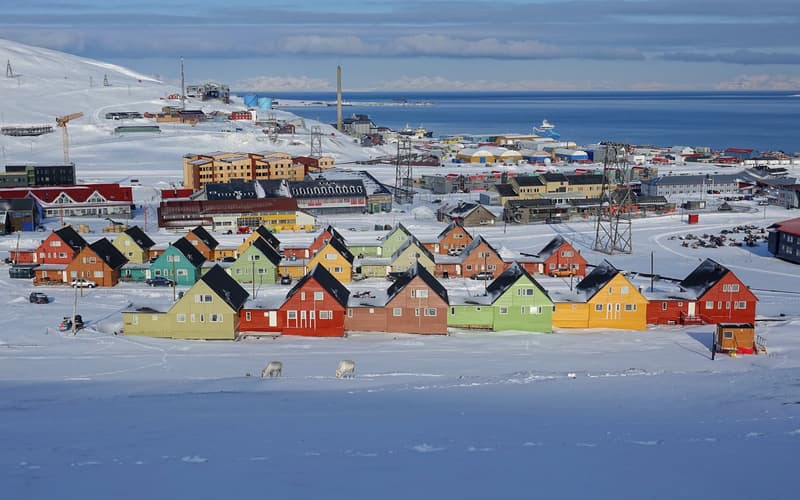 Norway & Svalbard
Norway’s high-Arctic archipelago, halfway between the mainland and the North Pole: glaciers, polar bears, walrus and the world’s northernmost town.
Compare real-time prices and availability on GetYourGuide. Most tours can be cancelled free of charge up to 24 hours ahead.