Where to base yourself
Polar-class cruise ship. Hotel-standard cabins with balconies, fine dining, a spa and a science programme. The most comfortable and, currently, the most accessible way to the Pole.
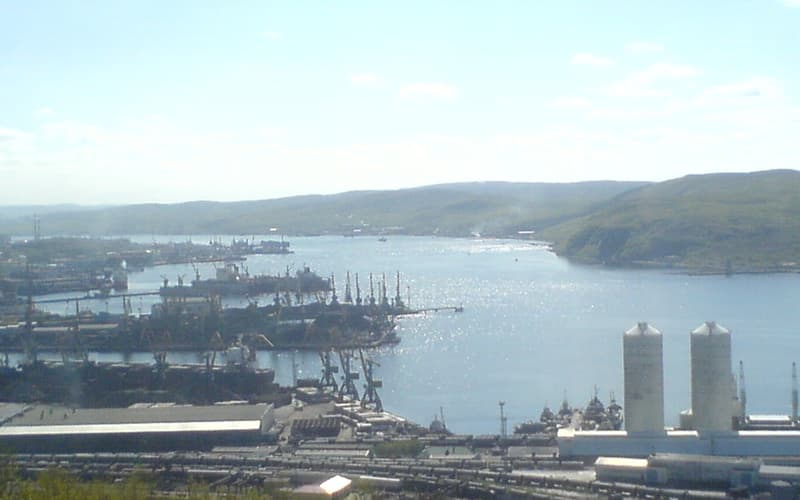
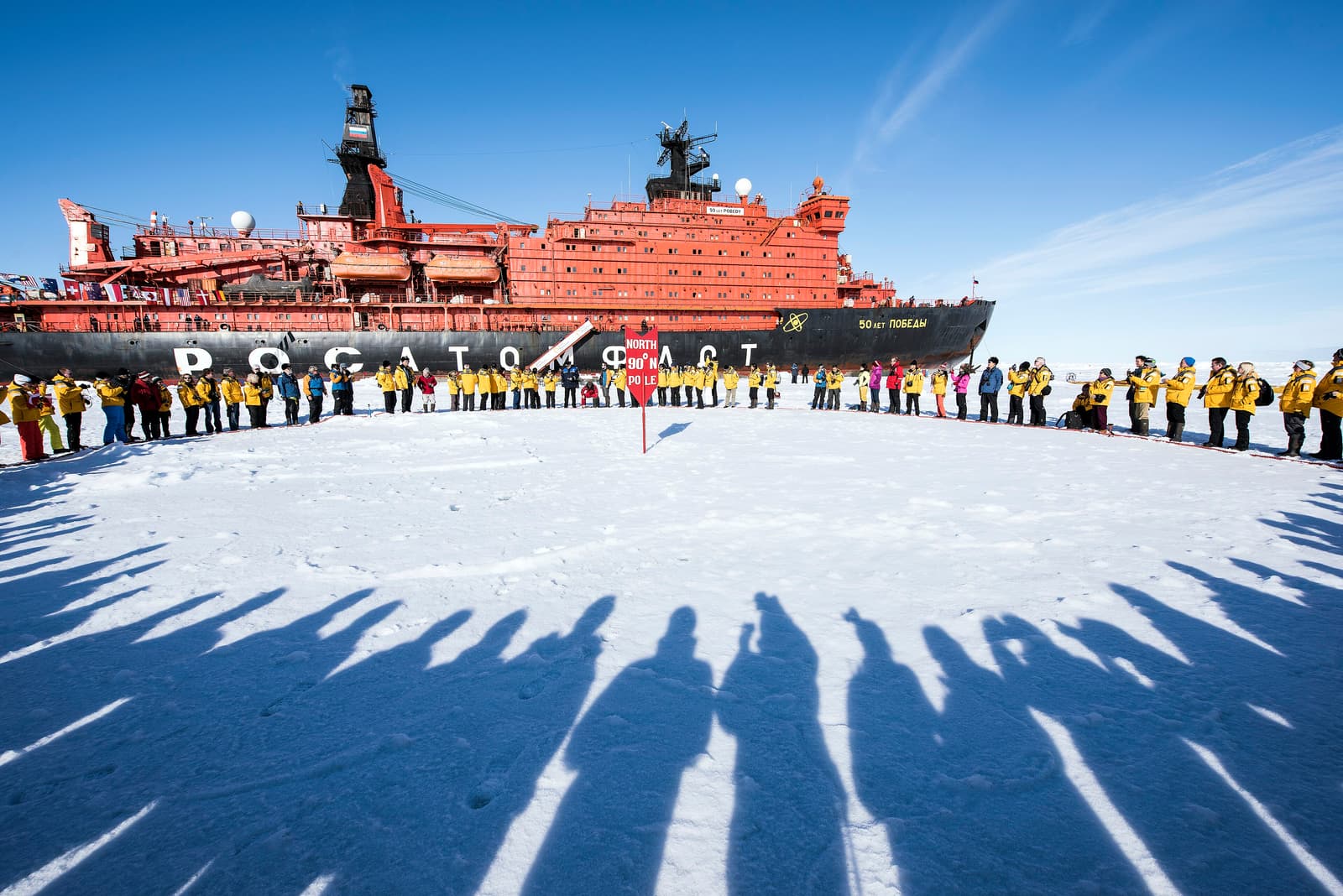
Nuclear icebreaker. A working ship adapted for passengers: plain cabins, a helicopter and unmatched icebreaking power. Departs from Russia.
Ice camp tents. Heated communal tents on the floe with camp beds and a mess tent. Basic, cold and extraordinary — when the camp operates.
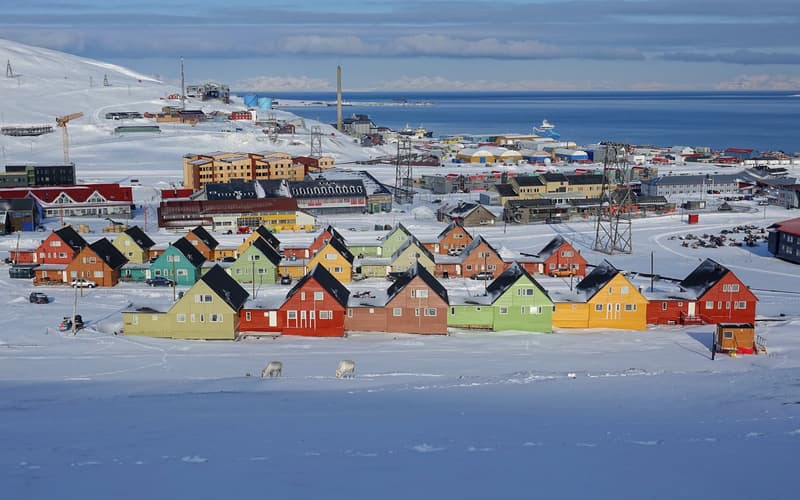
Longyearbyen hotels. Where every Western itinerary starts and ends; book the nights before and after yourself unless they are included.
Food & drink
On the ships, meals are plentiful and varied — international menus, with wine at dinner on the more luxurious vessels — and special diets can be catered for if you say so in advance. At an ice camp, cooks produce hot, filling food in a mess tent. Either way you will not go hungry. The traditional celebration at the Pole is champagne or vodka on the ice and a barbecue beside the ship.
Money-saving and safety tips
- Nobody can guarantee the Pole. Engine trouble, ice or a medical evacuation can turn a ship round; know what the contract says.
- The cheapest cabin gets you to exactly the same place as the most expensive.
- Summer temperatures at the Pole are around freezing — milder than many expect — but wind and damp make it feel colder. Layer as for a winter day at sea.
- Take seasickness remedies for the open-water days in the Barents Sea; in the ice the ship is steady.
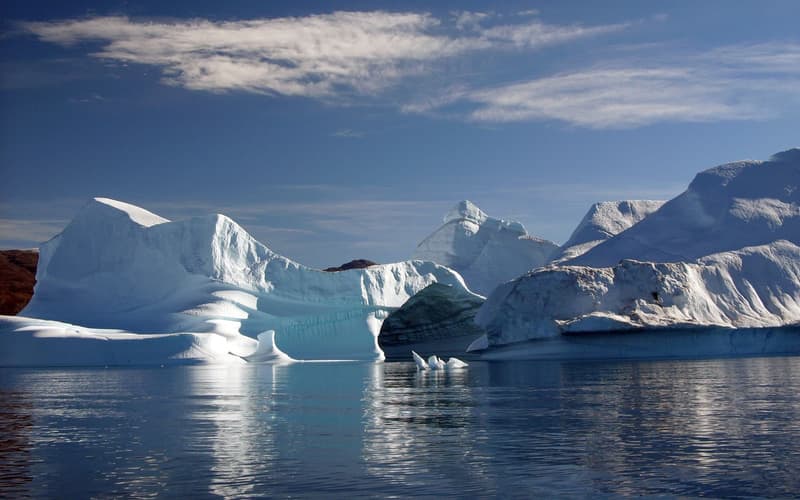
- Consider the footprint. These are energy-intensive voyages into a fragile, fast-changing sea; some travellers choose a Svalbard expedition cruise to the ice edge instead, at a fraction of the cost and emissions.
- Bring binoculars, spare batteries and sunglasses with side protection for 24-hour glare.
Sample plans
Sixteen days by ship from Longyearbyen
- Arrive in Longyearbyen two days early
- Embark and sail north past Spitsbergen to the ice edge
- Five to six days of icebreaking, with lectures and ice landings
- The Pole: ceremony, walk and swim
- Return south, with wildlife stops along the ice edge and Svalbard’s coast
Fly-in to the Pole (when operating)
- Gather in the gateway for briefing and weather hold
- Charter flight to the ice camp at 89° north
- Helicopter to 90° north and back, or ski the last degree
- Return flight; buffer days before flying home
The alternative: to the ice edge
- Fly to Longyearbyen
- Seven- to ten-day expedition cruise around Spitsbergen
- Sail to the pack-ice edge at 80–82° north to look for polar bears and walrus
North Pole: where to stay
There is nowhere to stay at the Pole. Book your own nights in Longyearbyen before and after the expedition unless your operator includes them — and book early, as the town is small.